Boundary Lines Dictate Bonus Accumulation Patterns in Combined Sportsbook and Poker Offers
Casey Hayes · Aug 22, 2026
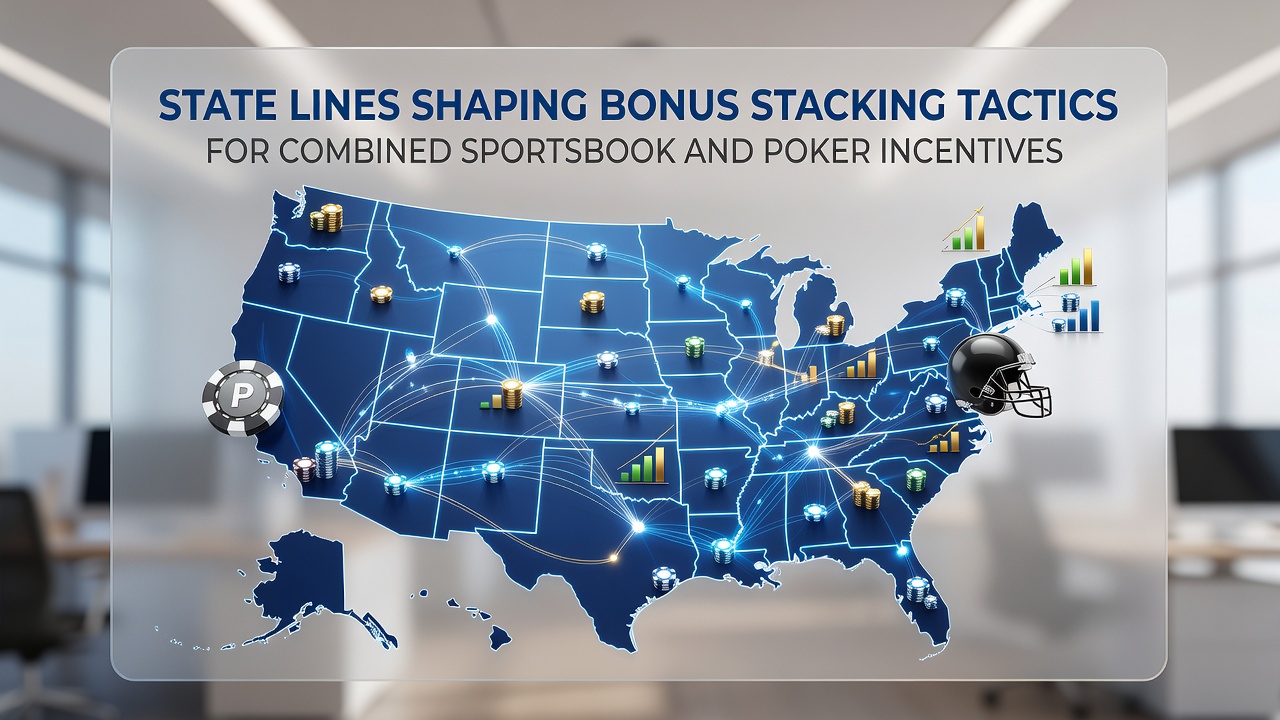
Boundary Lines Dictate Bonus Accumulation Patterns in Combined Sportsbook and Poker Offers
State borders continue to define how players combine sportsbook deposit matches with poker freeroll entries and risk-free bet credits, since each jurisdiction maintains separate licensing rules that determine whether a single account can access both verticals under one incentive structure. Data from regulatory filings show that operators in states with integrated gaming commissions permit seamless rollover tracking between sports wagers and poker hands, while states maintaining separate oversight bodies require distinct verification steps that slow the stacking process and sometimes block combined progress toward wagering thresholds.
Regulatory Frameworks Create Distinct Stacking Pathways
Observers note that Pennsylvania's gaming control board allows sportsbooks and poker rooms operated by the same license holder to share player activity data, enabling matched deposit credits earned on football bets to count toward poker tournament buy-in requirements without resetting the clock. In contrast, Michigan's framework treats the two products as separate revenue streams, forcing users to complete independent playthroughs that double the effective rollover burden when attempting to unlock cash from both a sportsbook bonus and a poker deposit match during the same month. August 2026 filings from multiple operators revealed that cross-border players who maintain residency in one state while accessing another state's platform through geolocation workarounds face account flags when bonus stacking attempts trigger mismatched tax reporting codes between jurisdictions.
Geolocation Rules and Account Linking Limitations
Operators enforce strict location checks at login and before bonus activation, which means a user registered in New Jersey cannot automatically transfer poker loyalty points earned on a Pennsylvania-facing skin even when both sites belong to the same parent company. Research conducted by the University of Nevada's gaming research center indicates that states permitting multi-skin networks under single corporate licenses see higher rates of combined incentive usage because players can switch between skins without creating new accounts or re-verifying identity documents. Those who've studied compliance logs report that August 2026 saw a measurable uptick in support tickets related to bonus stacking failures whenever players crossed state lines during major football weekends, since geofencing updates sometimes lagged behind regulatory changes in neighboring markets.
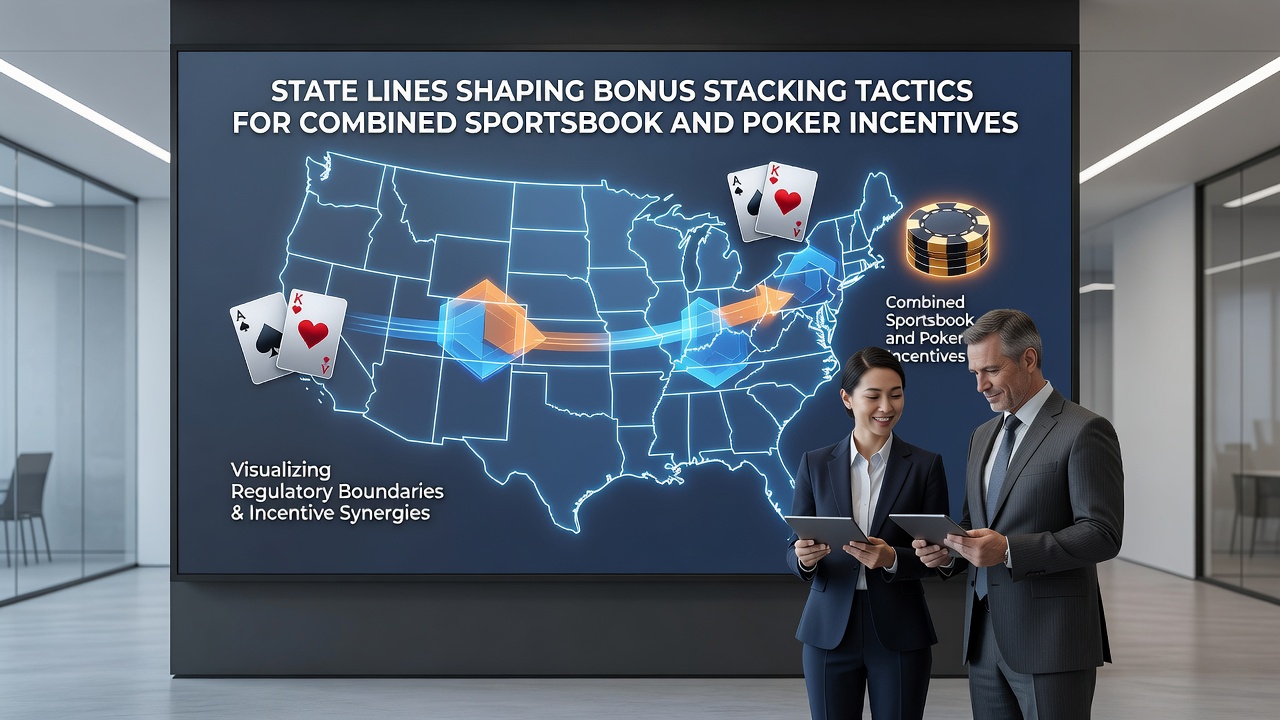
Practical Stacking Methods Observed Across Jurisdictions
Players in states with unified reward ledgers often begin by claiming a sportsbook deposit match, then route a portion of the resulting free bets into poker cash games where rake contributions accelerate loyalty tier progress toward additional tournament tickets. This sequence works cleanly in Delaware and West Virginia because both states route all online gaming activity through centralized systems that automatically merge sportsbook and poker playthrough toward shared thresholds. Yet in New York, where sports betting and poker fall under separate regulatory tracks, the same sequence requires manual submission of transaction records to two different portals, creating delays that push some bonuses past their expiration windows before stacking completes.
Tax Reporting and Compliance Overlaps
According to filings submitted to the New Jersey Division of Gaming Enforcement, combined incentives generate single W-2G forms when sports and poker activity occur under one license, simplifying player tax preparation while reducing administrative overhead for operators. In states maintaining separate poker and sports licensing tracks, however, players receive multiple forms that must be reconciled manually, and August 2026 data showed increased audit flags when stacking attempts created apparent duplicate winnings across two categories. Industry reports from the American Gaming Association highlight that these reporting differences influence how operators structure their August promotional calendars, with some platforms choosing to offer standalone poker reloads rather than combined offers that risk creating cross-category compliance friction for players near state borders.
Conclusion
State-level licensing distinctions therefore continue to determine which bonus stacking sequences remain viable, with operators adjusting offer structures and players adapting their account management tactics accordingly. Figures from regulatory summaries released through August 2026 confirm that markets allowing unified tracking achieve higher combined incentive redemption rates, while fragmented systems produce more fragmented usage patterns. Those monitoring future regulatory updates expect continued divergence until more states align their sports and poker oversight frameworks under single reporting standards.