Cross-Border Poker Reward Structures Face Tightening State-by-State Oversight in 2026
Yves Simmons · Aug 17, 2026

Cross-Border Poker Reward Structures Face Tightening State-by-State Oversight in 2026
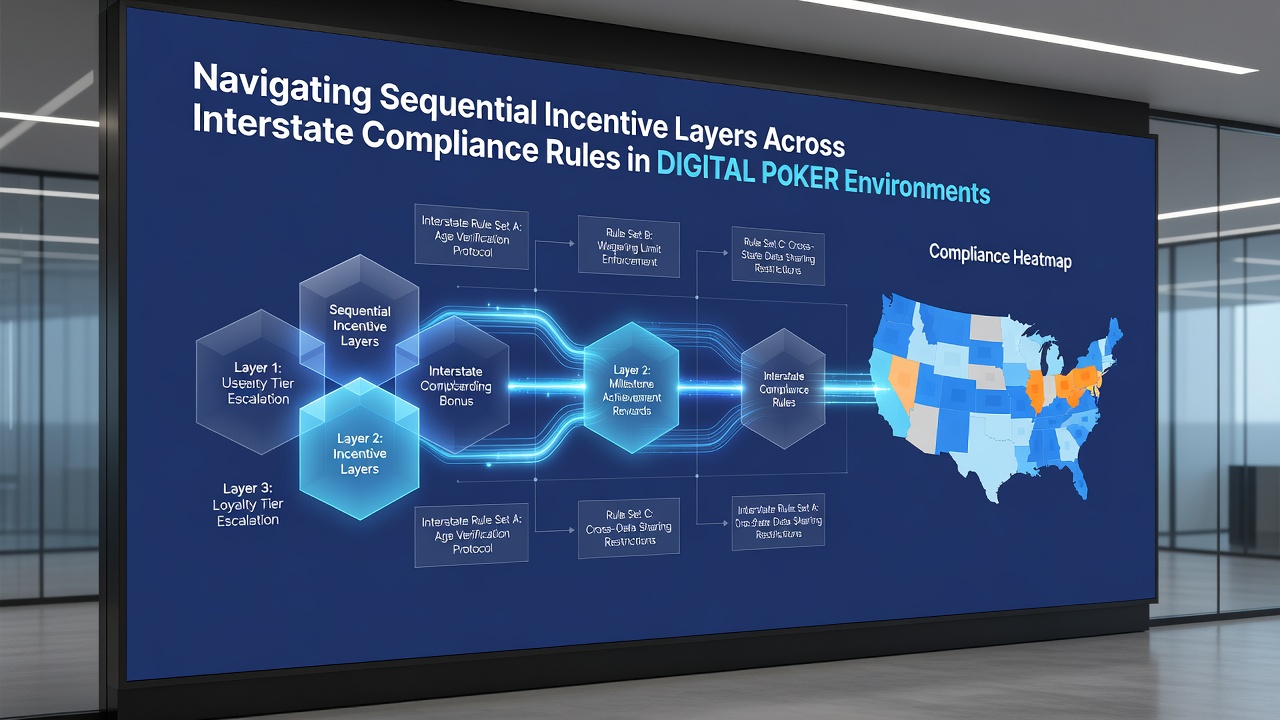
Digital poker operators must align successive incentive layers with distinct regulatory frameworks that differ from one state to the next, and August 2026 has brought fresh compliance adjustments in several markets. Platforms structure welcome matches, reload credits, cashback tiers, and loyalty point systems so each layer activates only after prior requirements are met while remaining inside the legal boundaries set by individual state gaming authorities. Data from regulatory filings shows that operators now maintain separate rule sets for every licensed jurisdiction rather than applying a single national template.
Defining Sequential Incentive Layers in Regulated Poker
Sequential layers begin with an initial deposit match that unlocks only after a player completes a state-specific wagering threshold, then progress to reload bonuses that require ongoing activity within the same jurisdiction. Cashback programs follow as the next layer, returning a percentage of rake based on volume recorded inside that state’s licensed skin. Loyalty programs sit at the top and award tier status that carries across multiple incentive types but still demands verification of location at each redemption point. Observers note that these stacked systems create audit trails that regulators examine during routine compliance reviews.
Interstate Variations in Bonus Eligibility and Advertising Rules
States enforce different standards on how incentives may be advertised and who qualifies for them. Some jurisdictions limit the size of matched deposits while others restrict the types of games that count toward rollover requirements. Operators therefore program geo-fencing tools that detect a player’s location at login and apply the correct incentive schedule automatically. Research indicates that platforms operating in five or more states maintain at least three distinct bonus rule engines to satisfy all active licenses simultaneously.
Technical Mechanisms for Maintaining Compliance
Account verification systems cross-reference IP addresses, device location data, and government-issued identification against state licensing databases before any incentive layer activates. When a player moves across state lines the platform suspends pending bonuses until the new jurisdiction’s rules are confirmed. Payment processors also segment transactions by state so that funds tied to one incentive layer cannot be used to satisfy requirements in another state. These controls reduce the risk of cross-jurisdictional violations that could trigger license reviews.
Impact on Player Progression and Platform Operations
Players experience different unlock sequences depending on their primary state of play, and operators publish jurisdiction-specific help pages that list each layer’s requirements in plain language. One multi-state operator adjusted its loyalty point accrual rates in early 2026 after two neighboring states issued updated guidance on promotional credits. The change required reprogramming of the central rewards engine while leaving other states’ structures untouched. Figures reveal that such targeted updates now occur several times per year as regulatory bulletins are released.
Role of External Oversight and Industry Standards
The Nevada Gaming Control Board publishes periodic guidance on promotional accounting that other states reference when drafting their own rules. Academic researchers at institutions such as the University of Nevada, Las Vegas have examined how sequential incentives interact with responsible gaming limits across state lines, and their findings appear in industry reports that operators consult during system design. These sources provide operators with consistent benchmarks even though each state retains final authority over its licensed platforms.
Conclusion
Operators continue to refine automated compliance layers that track player location, apply correct incentive rules, and generate reports for each state regulator. The approach allows platforms to offer progressive rewards while satisfying the distinct legal requirements that exist across licensed digital poker markets as of August 2026.