Decoding Eligibility Pathways for Progressive Incentives in Regulated Online Entertainment Ecosystems
Casey Hayes · Jul 13, 2026
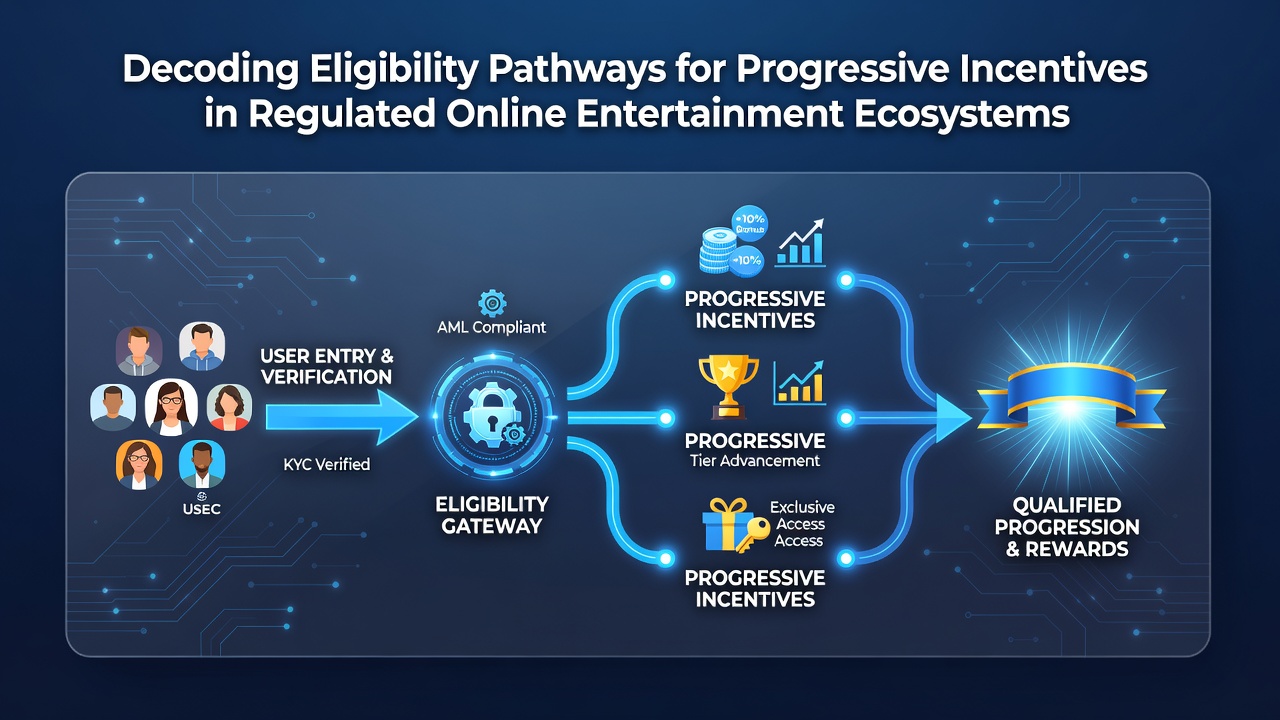
Decoding Eligibility Pathways for Progressive Incentives in Regulated Online Entertainment Ecosystems
Regulated online entertainment ecosystems rely on structured eligibility pathways that determine access to progressive incentives such as tiered loyalty rewards, escalating deposit matches, and cashback escalators. These pathways integrate identity verification, transaction histories, and activity thresholds that platforms enforce to comply with state and provincial licensing requirements.
Core Components of Eligibility Pathways
Eligibility begins with account verification protocols that require government-issued identification, address confirmation, and sometimes biometric checks. Once verified, users enter base tiers where initial incentives unlock through minimum deposit amounts and wager volumes tracked over defined periods. Progressive advancement occurs when cumulative activity meets escalating benchmarks, shifting participants into higher reward brackets that offer improved multipliers and exclusive promotions.
Data from multiple jurisdictions shows these benchmarks vary by regulatory framework. In Ontario's regulated market, for example, operators must log player activity through centralized systems that prevent simultaneous participation across unlicensed sites. Similar mechanisms appear in several U.S. states where geofencing combines with account-level tracking to ensure only eligible residents receive progressive benefits.
Verification Layers and Activity Thresholds
Platforms apply sequential verification layers that gate each incentive tier. The first layer confirms legal age and residency through document uploads processed within 24 to 72 hours. Subsequent layers monitor deposit frequency, game-type diversity, and loss-limit adherence. Research indicates that operators using automated compliance engines reduce manual reviews by integrating real-time data feeds from payment processors and gaming software providers.
July 2026 marks the scheduled rollout of enhanced data-sharing requirements between several state regulators and licensed operators, which will standardize how activity thresholds calculate across different platforms. These updates aim to create consistent eligibility calculations while maintaining separation between promotional and responsible-gaming databases.
Regional Variations in Pathway Design
North American frameworks emphasize wager-volume milestones, whereas European and Australian systems often prioritize time-based engagement combined with responsible-play metrics. One study from the University of Nevada's gaming research division examined how these differences affect player progression rates across borders. Findings revealed that markets requiring diversified game participation before tier advancement experience slower but more stable movement through incentive levels.
Observers note that operators adjust pathway complexity based on local legislation. In jurisdictions with strict advertising rules, eligibility notices must appear within account dashboards rather than through external promotions. This placement requirement influences how quickly users discover progressive options and begin qualifying.
Integration with Loyalty Architectures
Progressive incentives frequently connect to multi-tier loyalty architectures where points accrue from both real-money wagers and qualifying deposits. Advancement to the next tier resets or carries forward depending on the operator's published rules, which regulators review during licensing audits. Several Canadian provincial frameworks require public disclosure of these reset policies so participants understand long-term earning potential.
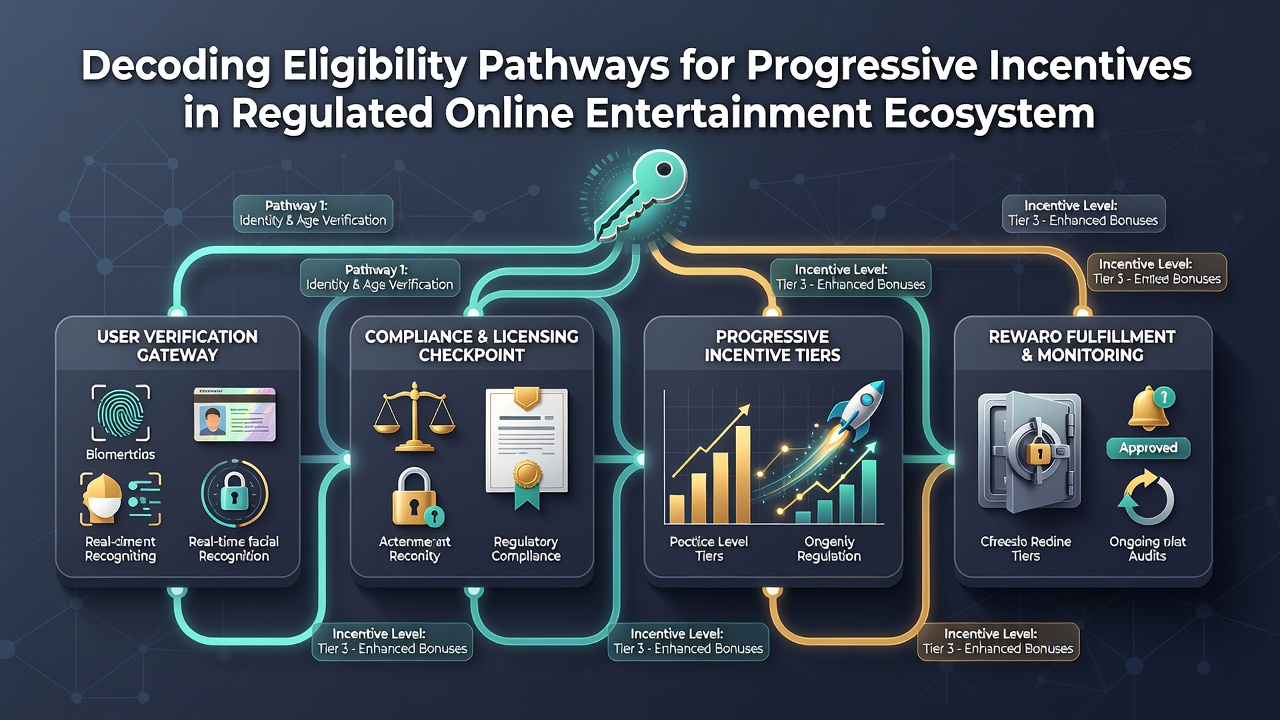
Payment method restrictions also shape eligibility. Certain regulated markets limit which deposit types count toward tier progress, excluding prepaid cards or cryptocurrency transfers in some cases. This limitation directs players toward approved banking channels that provide clearer audit trails for compliance teams.
Compliance Monitoring and Audit Processes
Regulatory bodies conduct periodic audits that examine whether eligibility algorithms apply uniformly across user segments. These reviews include sampling of account records to verify that no unauthorized incentives bypass established pathways. Industry reports from the European Gaming and Betting Association document how automated monitoring tools flag anomalies such as sudden tier jumps that lack corresponding activity records.
Operators maintain internal compliance logs that record each eligibility decision, including timestamped data points used in calculations. Access to these logs supports dispute resolution when users question why progression stalled at a particular threshold. The availability of such records has become a standard licensing condition in expanding markets.
Future Adjustments in July 2026 and Beyond
Scheduled regulatory updates effective July 2026 introduce new reporting categories for progressive incentive systems. Regulators in multiple regions will require operators to submit anonymized datasets showing average time spent in each tier and common exit points from loyalty programs. This information will inform policy refinements aimed at balancing player engagement with consumer protection objectives.
Conclusion
Eligibility pathways for progressive incentives continue to evolve through coordinated regulatory and technological developments. Standardized verification processes, activity thresholds, and audit mechanisms create transparent routes that participants follow across regulated online entertainment platforms. As July 2026 approaches, forthcoming data-sharing mandates will further align these pathways across jurisdictions while preserving operator flexibility within approved frameworks.