Exploring Layered Incentive Pathways in Multi-Game Loyalty Frameworks on Authorized Platforms
Taylor Hughes · Jun 13, 2026
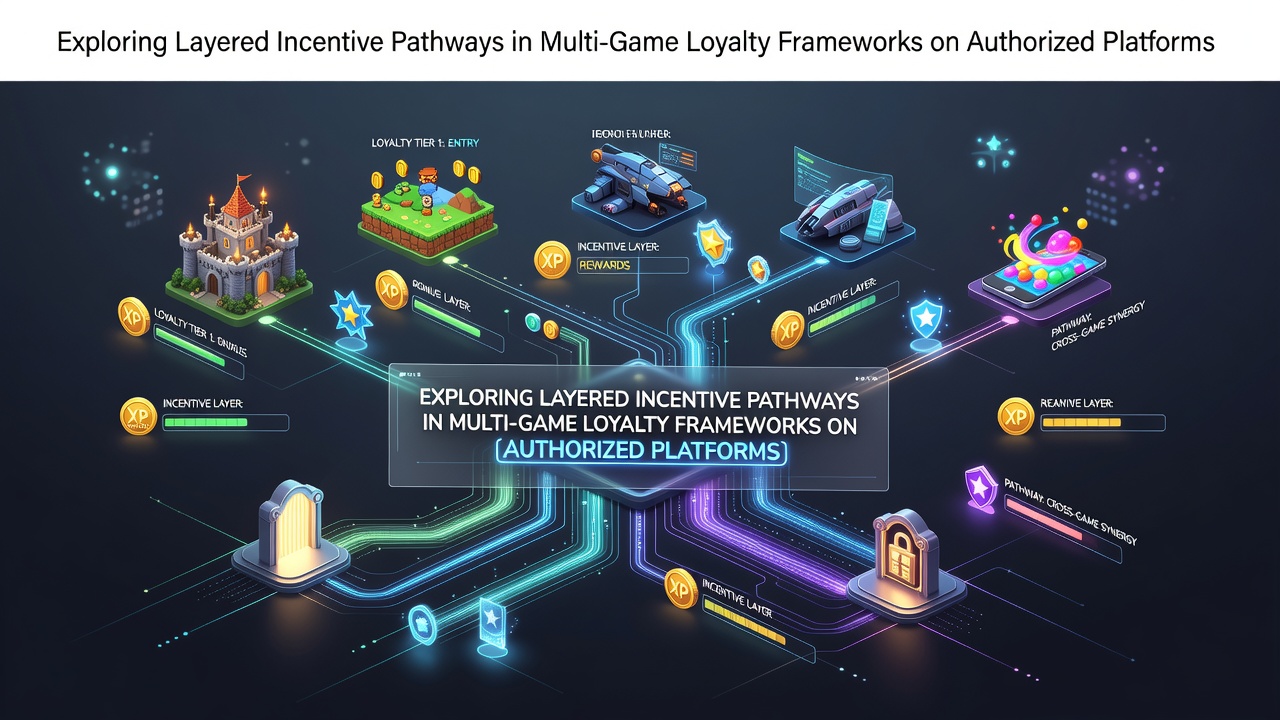
Exploring Layered Incentive Pathways in Multi-Game Loyalty Frameworks on Authorized Platforms
Authorized platforms in states like New Jersey, Pennsylvania, and Michigan have expanded multi-game loyalty frameworks that connect rewards across sports betting, casino offerings, and poker rooms through structured pathways. These systems allow users to accumulate points from one vertical that convert into benefits in another, creating layered structures where initial deposits trigger entry-level credits while sustained activity unlocks higher tiers with enhanced multipliers and cross-game redemptions.
Operators track activity through centralized accounts that monitor wagers on sports events alongside spins on slots or hands at virtual tables. Data compiled in early 2026 shows that platforms integrating these pathways report higher retention rates compared to single-vertical programs, as points earned from a March basketball parlay can directly contribute to casino free-play credits available the following week. Regulatory filings from the New Jersey Division of Gaming Enforcement indicate that such integrations comply with state-specific rules requiring clear disclosure of conversion rates and expiration policies.
Mechanics of Cross-Vertical Point Accumulation
Layered pathways typically assign base point values that scale according to game type and wager volume. Sports betting might award one point per dollar risked on regulated markets, whereas casino table games contribute at different ratios tied to theoretical loss. Poker sites operating under the same license often apply separate formulas that factor in rake contributions, allowing players to advance through bronze, silver, gold, and platinum levels that span all three categories.
June 2026 updates on several platforms introduced seasonal accelerators that double point earnings during major soccer tournaments, with the extra value carrying over into casino reload offers once the events conclude. Users who reach intermediate tiers receive automated notifications detailing how their accumulated balance translates into risk-free wagers or deposit matches usable across verticals, maintaining compliance with state-mandated responsible gaming prompts.
Platform Integration and Regulatory Oversight
Authorized operators must synchronize loyalty databases with real-time transaction monitoring to prevent duplication of incentives across state lines. This synchronization ensures that a user verified in Michigan cannot access New Jersey-specific tiers without separate account linkage, a requirement reinforced by interstate compacts established after 2023. Reports from the Pennsylvania Gaming Control Board document that layered systems undergo quarterly audits verifying that point redemptions align with advertised values and do not exceed maximum payout thresholds.

What's interesting is how mobile applications streamline visibility into these pathways by displaying unified dashboards that project upcoming rewards based on recent activity patterns. Research conducted by the University of Nevada, Las Vegas Center for Gaming Research highlights that participants in multi-tier programs demonstrate longer session durations when pathways allow seamless movement between verticals without requiring separate logins or balance transfers.
Examples from Current Market Implementations
One major operator in Illinois introduced a framework in spring 2026 where points from daily fantasy-style contests feed directly into casino loyalty meters, granting users access to exclusive poker tournament seats after accumulating thresholds from sports markets. Another platform in West Virginia ties reload bonuses earned through slot play to reduced vig on parlay bets, creating a feedback loop that encourages exploration of multiple game types under the same license.
Industry data aggregated by the American Gaming Association reveals that states permitting these integrated structures saw average user lifetime value increase by measurable margins between January and May 2026. The figures reflect activity across authorized channels only, excluding any offshore or unregulated activity referenced in separate global estimates.
Conversion Rules and Tier Advancement
Conversion formulas differ by jurisdiction yet follow consistent patterns where lower tiers offer straightforward redemptions while elite levels introduce flexible options such as transferring points between accounts or extending expiration windows. Observers note that platforms publish these rules in accessible help sections, often accompanied by calculators that simulate outcomes based on projected wagering volumes.
June 2026 brought minor adjustments in several states requiring operators to highlight minimum activity thresholds needed to maintain tier status, preventing automatic downgrades during periods of reduced play. These changes align with broader efforts to standardize transparency across multi-game environments without altering core reward economics.
Conclusion
Layered incentive pathways continue to evolve within authorized multi-game frameworks as operators refine point systems to span sports betting, casino, and poker verticals. Regulatory bodies maintain oversight through periodic reviews that confirm compliance with disclosure and fairness standards. Available data from state commissions and industry associations documents steady adoption of these structures through the first half of 2026, with cross-vertical redemptions forming a central component of user engagement on licensed platforms.