How App Algorithms Customize Risk-Free Wagers for Users Across Licensed State Platforms
Casey Hayes · Jun 20, 2026
How App Algorithms Customize Risk-Free Wagers for Users Across Licensed State Platforms
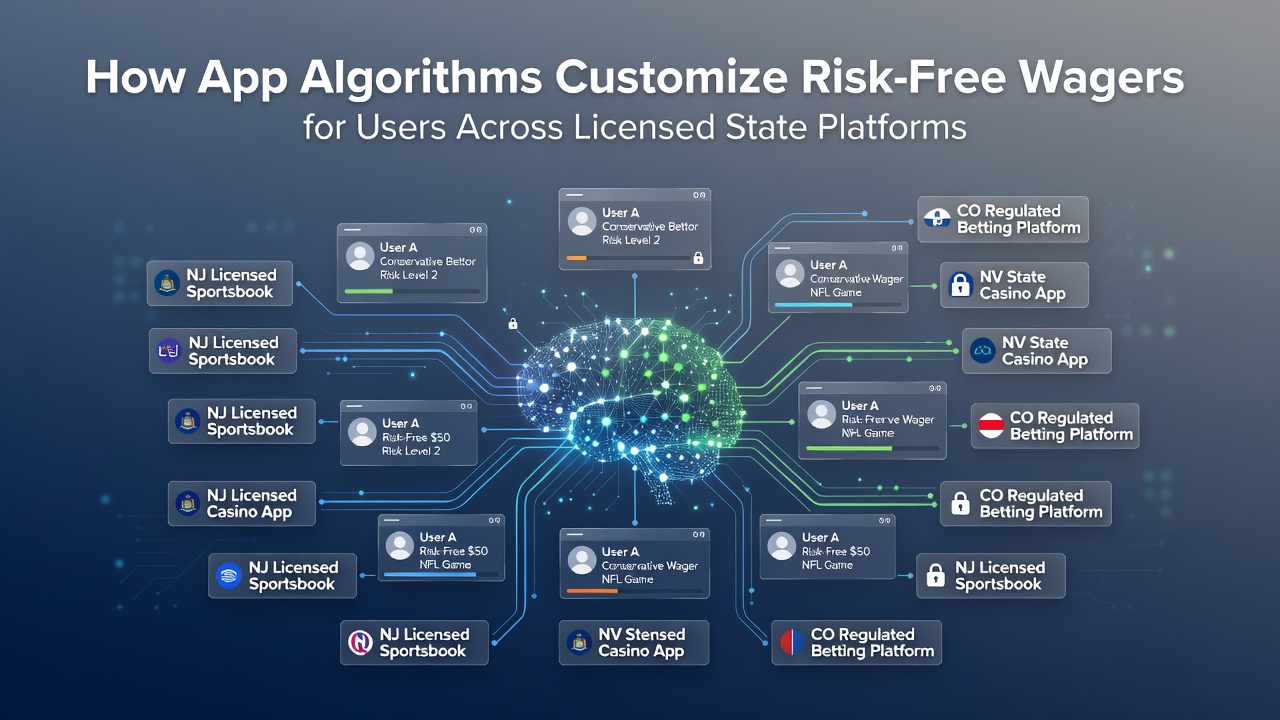
App algorithms on licensed state platforms analyze user data to tailor risk-free wagers such as free bets and matched credits, and these systems draw from betting patterns, account activity, and regional compliance rules to generate offers that align with individual profiles. Data collection begins at registration when users provide location details that confirm eligibility within authorized states, after which the software tracks wager frequency, average stake sizes, and preferred sports or game types over time.
Algorithms process this information through machine learning models that identify segments like high-volume bettors or occasional participants, then adjust the value and structure of risk-free promotions accordingly. For instance a user who places multiple small wagers weekly might receive a series of modest free bet credits spread across several days, whereas someone with larger but less frequent activity could see a single higher-value credit tied to specific events. These adjustments occur in real time as new data streams in from each session.
Core Mechanisms Behind Personalization
State platforms integrate geofencing technology with user history to ensure offers respect local regulations while still delivering customized experiences, and the systems cross-reference device identifiers with transaction records to refine targeting. Researchers at academic institutions have documented how predictive models forecast user response rates, allowing operators to allocate risk-free wagers that encourage continued engagement without exceeding responsible gaming thresholds. One study from a Canadian research center examined similar systems and noted measurable differences in redemption patterns based on algorithmic segmentation.
Seasonal factors also influence the outputs, such as increased customization around major sporting calendars where algorithms boost offer values for users who historically engage during those periods. In June 2026 several platforms updated their models to incorporate expanded data from prior months, resulting in more granular offers that accounted for shifts in user behavior following regulatory changes in additional states. The software evaluates not only past performance but also session duration and navigation paths within the app to determine which format of risk-free wager, whether a no-deposit credit or a deposit-matched incentive, will likely see the highest uptake.
State-Level Variations in Algorithm Application
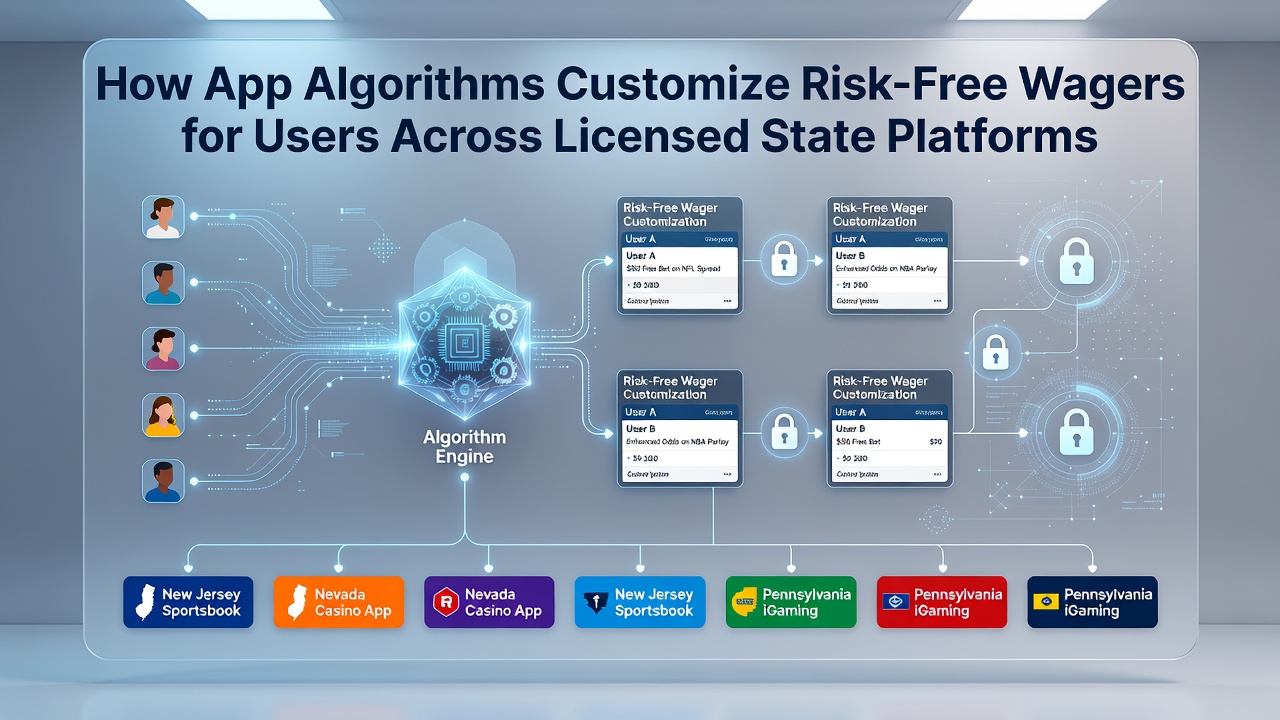
Platforms operating across multiple states must reconcile differing tax structures and promotional rules, which algorithms achieve by maintaining separate rule sets for each jurisdiction and dynamically switching parameters based on detected user location. A bettor logging in from New Jersey encounters offer structures that reflect that state's reporting requirements, while the same individual accessing the platform from Pennsylvania receives variations calibrated to local hold percentages and tax rates. These backend distinctions remain invisible to users yet produce noticeably different sequences of risk-free wagers over time.
Operators link their systems to state regulatory databases for ongoing compliance checks, and the algorithms incorporate these feeds to pause or modify promotions when thresholds approach. Observers note that such integration prevents over-distribution of credits in any single market and maintains parity with legislative limits on total promotional volume. Data from industry reports show that platforms using these layered compliance layers experience fewer interruptions in service delivery during peak periods.
Integration with Loyalty and Reward Frameworks
Risk-free wagers frequently connect to tiered loyalty programs where algorithmic scoring determines progression speed and associated benefits, and users who consistently utilize offered credits move through tiers faster than those who engage less frequently. The models weigh redemption rates alongside new deposit activity to recalibrate future offers, creating feedback loops that reward sustained participation. Platforms in states with mature markets have refined these connections over multiple years, producing more stable user retention metrics according to aggregated industry figures.
Multi-state operators apply similar logic while respecting each jurisdiction's distinct loyalty guidelines, which sometimes cap the frequency of certain credit types. Algorithms handle these constraints by rotating between eligible formats and spacing deliveries to avoid regulatory flags. One analysis from an Australian research organization highlighted how comparable frameworks in other regions reduced instances of promotional overlap and improved overall system efficiency.
Technical Safeguards and Data Handling
Encryption protocols and anonymized data pipelines protect user information during algorithmic processing, while periodic audits by state authorities verify that customization remains within approved boundaries. Developers update the underlying models quarterly to incorporate fresh behavioral datasets and regulatory amendments, ensuring continued relevance across expanding markets. These updates often coincide with major sporting events when user volumes peak and the demand for precisely targeted offers rises sharply.
Security measures also extend to preventing exploitation through multiple accounts, as algorithms flag unusual patterns and restrict access to personalized promotions until verification clears. Such controls maintain platform integrity without broadly restricting legitimate users from receiving tailored risk-free wagers suited to their activity profiles.
Conclusion
App algorithms on licensed state platforms continue to evolve methods for customizing risk-free wagers through layered data analysis and regulatory alignment, resulting in offers that reflect both individual behavior and jurisdictional requirements. As markets mature into June 2026 and beyond, these systems are expected to incorporate additional data streams from emerging states while preserving compliance and user segmentation accuracy. The ongoing refinement supports consistent delivery of promotions across diverse regulatory environments without compromising operational standards.