How Mobile Technology Facilitates Access to No Deposit Offers in Regulated Markets
Yves Simmons · May 30, 2026
How Mobile Technology Facilitates Access to No Deposit Offers in Regulated Markets
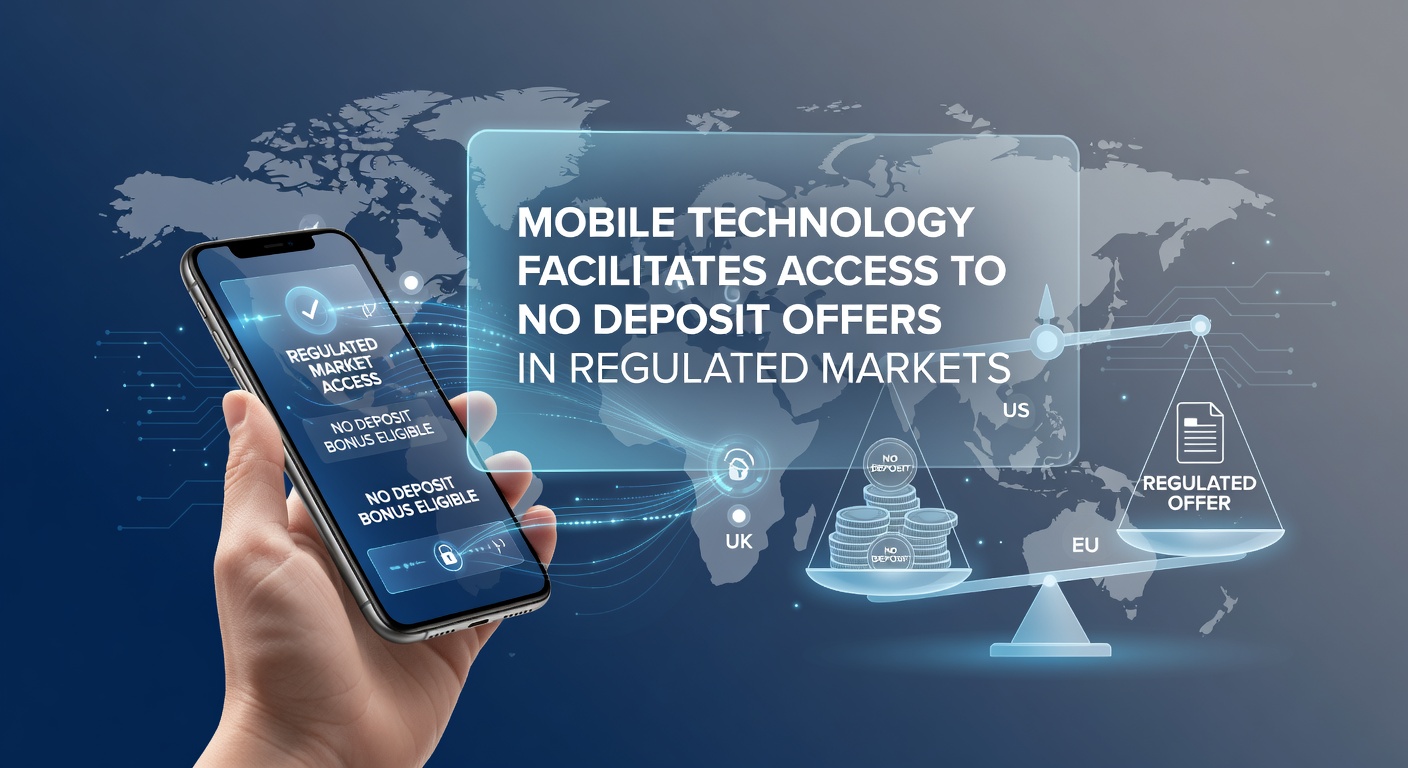
Mobile technology has transformed how players in regulated markets discover and claim no deposit offers, since these promotions allow users to access games or betting features without an initial financial commitment. Apps and optimized mobile websites integrate directly with state licensing systems, which means verification processes happen in real time through device-based tools like geolocation and biometric authentication. Data from the American Gaming Association shows that mobile devices account for over 70 percent of new account registrations in states with active online gaming programs as of early 2026.
Geolocation and Regulatory Compliance on Mobile Devices
Regulated markets require precise location tracking to ensure users remain within approved jurisdictions, and mobile technology handles this through GPS, Wi-Fi triangulation, and IP verification that updates continuously during sessions. Operators embed these checks into their apps so that no deposit offers appear only to eligible players, which reduces the risk of unauthorized access while streamlining the sign-up flow. In May 2026 several states expanded their mobile verification partnerships with third-party providers, allowing faster approvals and immediate credit of promotional funds to new accounts.
Those who operate in multiple states notice that apps adjust offer availability based on local rules without requiring separate downloads, since backend systems detect the user's position and display compliant promotions accordingly. This approach maintains regulatory standards across borders while giving players a unified experience on one device.
App Store Integration and Secure Onboarding
Major app stores now host licensed gambling applications in jurisdictions where such distribution is permitted, which creates a trusted channel for users to download platforms that include no deposit incentives. Once installed, the apps guide players through identity verification using document scanning and facial recognition, features that complete within minutes on modern smartphones. Research from the University of Nevada, Las Vegas indicates that mobile onboarding times dropped by 35 percent between 2024 and 2026 in states that adopted enhanced digital identity tools.
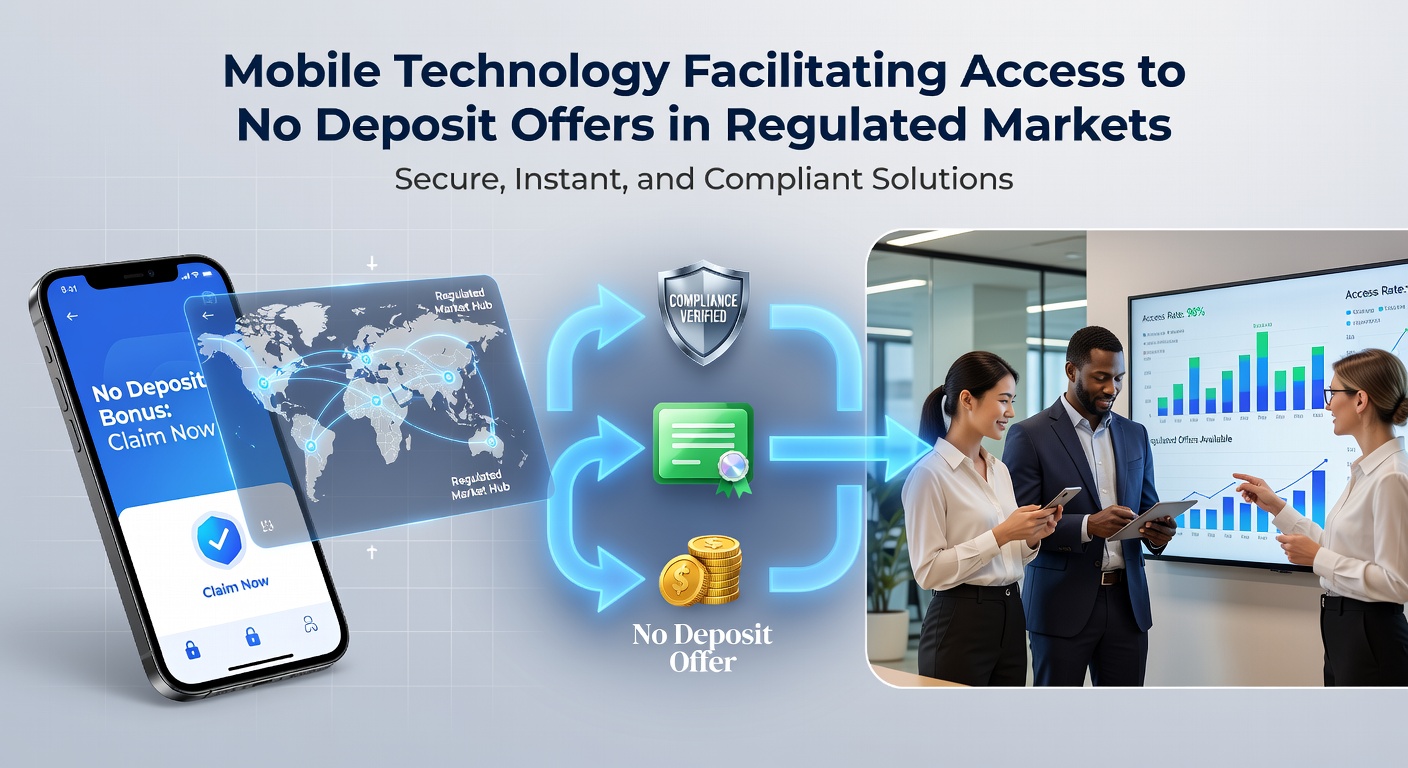
Push notifications alert users when new no deposit offers become available or when existing promotions near expiration, keeping engagement high without additional marketing spend from operators. These alerts link directly back into the app, where players can review terms and activate credits through a few taps rather than navigating complex desktop portals.
Payment Systems and Instant Credit Activation
While no deposit offers require no upfront payment, mobile wallets and secure tokenization still play a role when players later convert promotional winnings into cashouts. Apps connect to verified banking services and digital wallets approved by state regulators, which speeds up the transition from free play to real-money options once wagering requirements are met. Figures from the New Jersey Division of Gaming Enforcement reveal that mobile cashout requests processed 48 percent faster than desktop equivalents during the first quarter of 2026.
Encryption standards built into operating systems protect user data throughout these transactions, and operators must meet the same security benchmarks whether the activity occurs on phones or tablets. This consistency encourages broader adoption of mobile platforms among users who previously preferred desktop environments for perceived safety reasons.
Analytics and Personalized Offer Delivery
Mobile technology enables operators to analyze usage patterns in real time, which allows them to tailor no deposit offers to individual player preferences while staying within regulatory limits on targeting. Algorithms track session length, game types, and device type to present relevant promotions, yet all such activity remains subject to oversight by licensing bodies that audit algorithmic fairness. Observers note that states like Pennsylvania and Michigan have required operators to submit mobile-specific marketing reports since late 2025, ensuring transparency around how offers reach different demographic groups.
Cross-device synchronization further supports this personalization, since accounts linked across phones, tablets, and desktops maintain consistent offer histories regardless of access point. Players who switch devices mid-session rarely encounter interruptions in their promotional balances or progress toward playthrough requirements.
Challenges Addressed Through Mobile Innovation
Bandwidth limitations and older device compatibility once restricted access to complex no deposit offers, but recent advances in progressive web apps and lightweight app versions have reduced these barriers significantly. Regulators in several markets now mandate minimum performance standards for mobile platforms, which pushes operators to optimize their software for broader device compatibility. Reports compiled by the European Gaming and Betting Association highlight that mobile traffic from lower-specification devices increased by 22 percent in monitored European markets during 2025.
Security concerns around public Wi-Fi connections receive attention through app-level VPN recommendations and session timeouts that limit exposure, features that desktop browsers handle less seamlessly. These measures help maintain the integrity of regulated environments where no deposit offers must function without compromising player protection protocols.
Conclusion
Mobile technology continues to lower entry barriers for no deposit offers in regulated markets by combining location services, secure verification, and instant notifications into cohesive user journeys. As states refine their frameworks through 2026, the emphasis remains on systems that deliver compliant promotions while adapting to evolving device capabilities and player behaviors. Data indicates sustained growth in mobile participation, driven by these technical integrations rather than promotional volume alone.