Integrating Deposit Incentives with Tiered Loyalty Structures on Verified State Gambling Platforms
Yves Simmons · May 20, 2026

Integrating Deposit Incentives with Tiered Loyalty Structures on Verified State Gambling Platforms
State-regulated gambling platforms across the United States have refined their approach to player engagement by combining deposit incentives with tiered loyalty structures, and this integration creates layered reward systems that respond directly to user activity levels. Platforms in states such as New Jersey, Pennsylvania and Michigan operate under strict licensing requirements that shape how these combined programs function, while data from regulatory filings illustrate steady adoption rates through the first months of 2026.
How Deposit Incentives Align with Loyalty Tiers
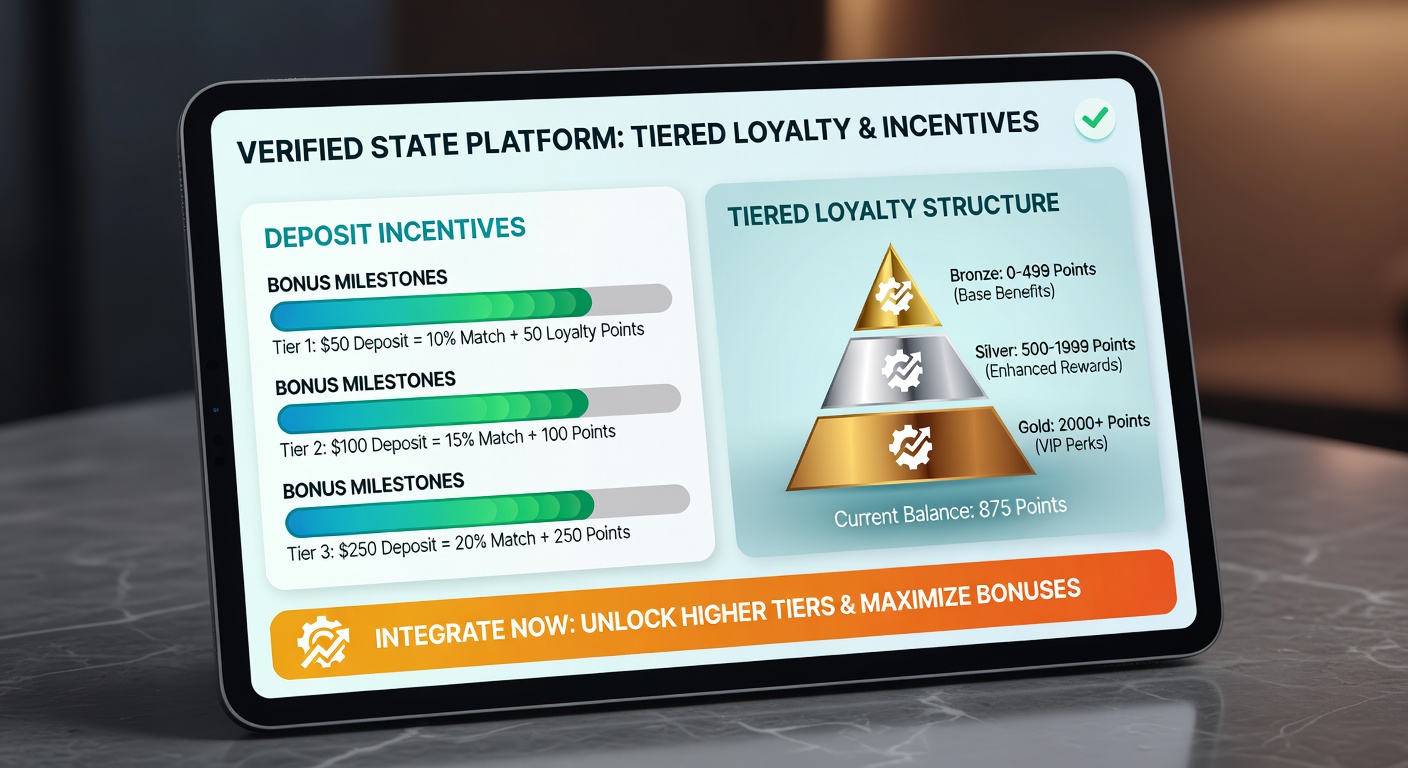
Deposit incentives typically appear as matched funds or bonus credits awarded upon a qualifying deposit, yet operators now link these offers to loyalty tier progression so that higher-tier members receive enhanced match percentages or reduced rollover thresholds. A player starting at the base tier might access a standard 100 percent match up to a set limit, while those who advance through consistent play unlock 150 percent matches alongside priority access to tier-exclusive reloads, and this linkage encourages sustained deposit patterns rather than one-time actions.
Verified platforms enforce identity checks and transaction monitoring that feed directly into loyalty tracking systems, which means every deposit contributes both to immediate bonuses and long-term tier status. Operators track metrics including deposit frequency, average transaction size and game type preferences to determine tier movement, with algorithms updating standings in real time during active sessions.
State-Specific Implementations in 2026
In New Jersey, several licensed operators have adjusted their systems so that loyalty points earned from deposits convert into tier upgrades that automatically improve future incentive values, and similar patterns appear in Pennsylvania where monthly statements detail how deposit volume influences tier benefits. Michigan platforms, which expanded their online casino offerings earlier in the decade, now display tier progress bars alongside deposit interfaces, allowing users to see exactly how additional deposits accelerate advancement toward silver, gold or platinum levels.
Observers note that these integrations coincide with broader platform updates rolled out ahead of the summer betting season, and regulatory reports indicate that states have required clearer disclosure of how loyalty tiers modify deposit incentive terms. Figures from the first quarter of 2026 show increased average deposit sizes among loyalty program participants compared with non-members, although exact percentages vary by operator and state.
Technical and Compliance Considerations
Integration relies on backend systems that connect payment processors with loyalty databases, ensuring that bonus eligibility updates instantly once a deposit clears and tier thresholds are met. Compliance teams review these connections to confirm that promotional terms remain transparent and that no element violates state rules on bonus advertising or responsible gaming prompts.
Platforms must maintain audit trails for every deposit-linked reward, which regulators examine during routine reviews. In May 2026 several states released updated guidance documents that emphasize the need for real-time notifications when a deposit both triggers an incentive and advances a loyalty tier, and operators responded by adding confirmation screens that summarize combined benefits before finalizing transactions.
Player Progression and Reward Mechanics
Users advance through tiers by accumulating points from deposits, wagers and sometimes non-gaming activity such as completing profile verifications, while each tier unlocks distinct deposit incentive multipliers. Base-tier players receive standard offers, mid-tier accounts gain access to accelerated point multipliers on deposits, and top-tier members often qualify for personalized deposit bonuses calculated from their historical activity.
Research indicates that tiered structures reduce the frequency of bonus abuse because higher rewards require demonstrated commitment through repeated deposits and play, and this approach aligns with state goals of promoting sustainable engagement. Operators publish tier requirement tables that list exact deposit volumes or point totals needed for advancement, making progression predictable for those who review the details.
Regulatory Oversight and Data Reporting
State gaming commissions require monthly reports that break down deposit incentive redemptions by loyalty tier, allowing regulators to monitor whether combined programs concentrate rewards among a small segment of high-volume users. New Jersey Division of Gaming Enforcement filings from early 2026 reveal that integrated programs account for a growing share of promotional activity without exceeding previously established limits on bonus exposure.
Additional oversight comes from independent testing agencies that verify the accuracy of tier calculations and the proper crediting of deposit incentives, and any discrepancies trigger corrective action plans. Platforms that fail to maintain accurate linkages between deposits and loyalty status face temporary suspension of promotional features until systems are recalibrated.
Conclusion
Integration of deposit incentives with tiered loyalty structures continues to evolve on verified state platforms as operators refine algorithms and states issue clearer compliance expectations. Data collected through May 2026 demonstrates that these combined systems track player activity across multiple dimensions while remaining subject to ongoing regulatory review. Operators that maintain transparent reporting and accurate real-time updates position themselves to sustain participation within the boundaries set by individual state frameworks.