Patterns in Bonus Eligibility Criteria for Mobile Users on Authorized Betting Applications
Ulrich Coleman · Jun 10, 2026
Patterns in Bonus Eligibility Criteria for Mobile Users on Authorized Betting Applications
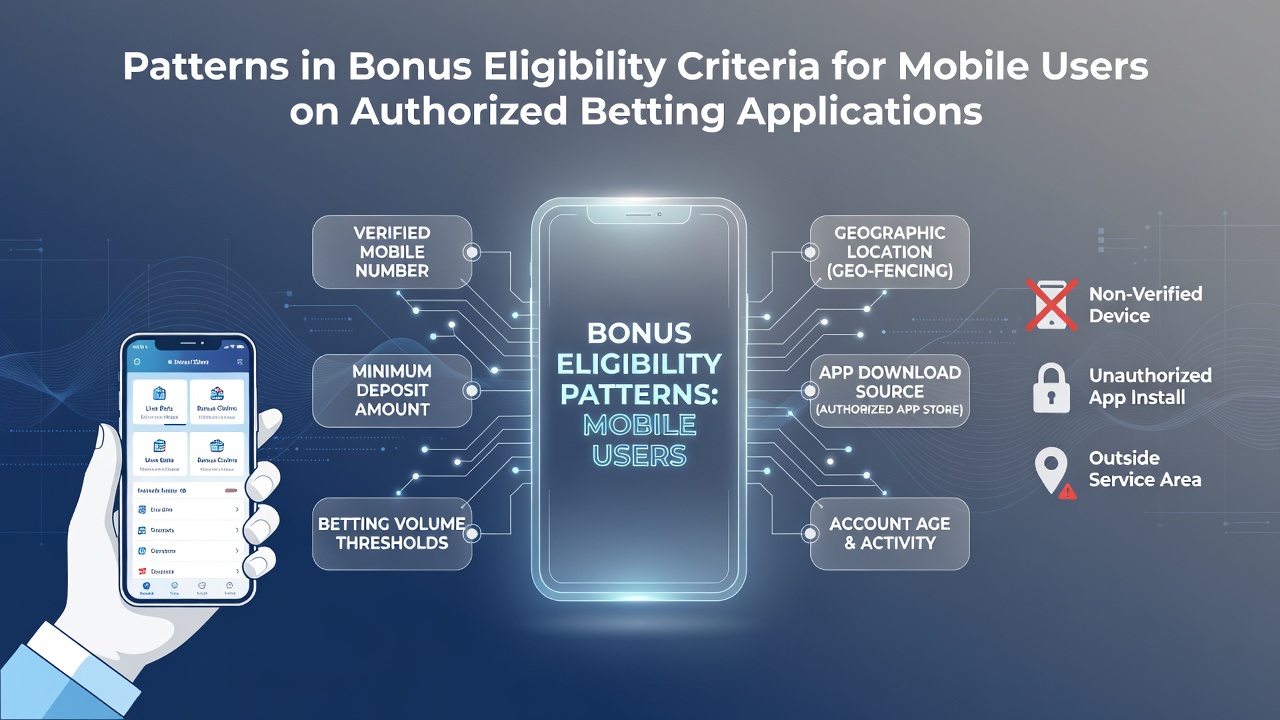
Authorized betting applications have developed distinct eligibility frameworks that apply specifically to mobile users, and these frameworks often differ from those used on desktop platforms in several measurable ways. Data compiled through June 2026 shows consistent patterns across multiple regulated markets where operators tie bonus access to device-level checks, location verification protocols, and account authentication sequences that run exclusively through the mobile application.
Operators require mobile users to maintain active GPS services during the entire eligibility window, which typically spans from account registration through the completion of any associated wagering activity. This requirement appears in nearly every state-licensed application reviewed during the first half of 2026, and it creates a clear demarcation between mobile and desktop pathways for claiming promotional credits.
Device and Operating System Requirements
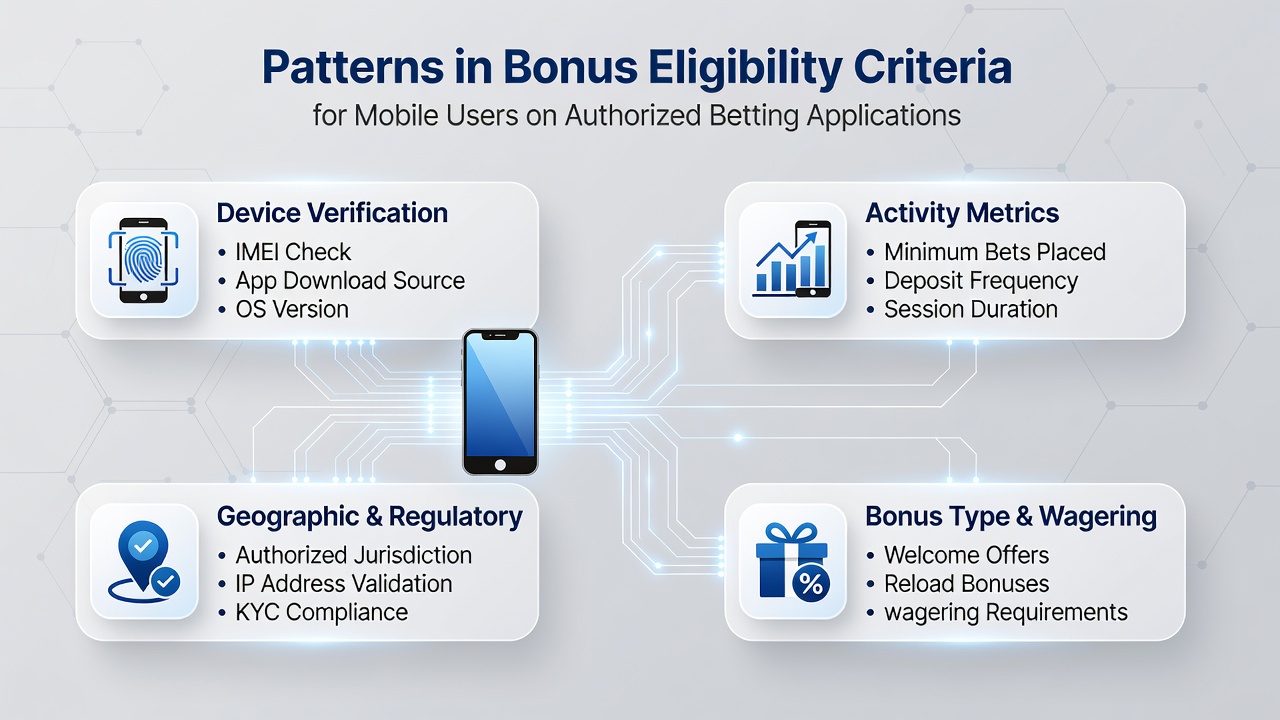
Eligibility criteria frequently specify minimum operating system versions and prohibit rooted or jailbroken devices from accessing bonus funds. Applications distributed through official stores enforce these rules at the point of installation, and subsequent updates often include additional device fingerprinting routines that log hardware identifiers alongside user account data. Studies conducted by independent testing laboratories indicate that operators reject approximately 12 percent of bonus claims each month due to device compatibility flags raised during these automated scans.
Users who switch between multiple authorized applications on the same handset sometimes encounter cumulative restrictions, since each platform maintains its own record of prior device activity. This cross-application tracking has become more common in markets that permit several operators to serve the same jurisdiction simultaneously.
Location-Based Verification Protocols
Geofencing remains a central component of mobile bonus eligibility, yet the implementation details vary by jurisdiction and operator. Some applications require continuous location polling every 30 seconds during active sessions, while others conduct spot checks at random intervals. Reports issued by the Pennsylvania Gaming Control Board in early 2026 documented a measurable increase in the frequency of these checks following regulatory updates that emphasized responsible gambling measures.
Users who attempt to claim bonuses while connected to VPN services or while located near jurisdictional borders face automatic disqualification in most cases. The same reports noted that operators have begun logging repeated location discrepancies as potential indicators of policy violations, which can lead to temporary holds on promotional accounts.
Account Authentication Sequences
Mobile applications integrate multi-factor authentication steps that desktop interfaces often bypass for the same promotional offers. These sequences commonly combine biometric prompts, one-time passcodes delivered via SMS, and in-app identity document uploads that must be completed before bonus funds become available for play. Research conducted by academic teams at several North American universities has tracked how these layered requirements affect completion rates, with data showing that roughly one in five mobile users abandons the process before finishing all verification stages.
Patterns also emerge around timing restrictions, where users must complete authentication within a set number of hours after initiating a bonus claim. Operators have adjusted these windows seasonally, shortening them during periods of high regulatory scrutiny and extending them when promotional volume increases ahead of major sporting events.
Payment Method Integration
Bonus eligibility on mobile platforms increasingly links to the use of approved deposit methods that support instant verification. Applications that accept certain digital wallet services apply additional eligibility filters based on the funding source history, and users who rely on prepaid cards or bank transfers sometimes face extended review periods before credits activate. Figures released by the Michigan Gaming Control Board through mid-2026 reflected these differences in processing times across payment categories.
Operators have also introduced mobile-specific reload bonuses that require deposits made directly within the application rather than through linked web portals. This distinction reinforces the separation between mobile and desktop user pathways and contributes to the observable divergence in eligibility patterns across device types.
Conclusion
The patterns documented through June 2026 demonstrate that mobile bonus eligibility on authorized applications rests on interconnected technical and procedural requirements that continue to evolve with regulatory guidance and technological capability. Location services, device integrity checks, authentication sequences, and payment method filters form the core components that operators apply consistently across jurisdictions, even as the precise implementation details differ from one platform to another. These frameworks allow operators to maintain compliance while structuring promotional access according to the operational realities of mobile technology.