Regional Loyalty Frameworks Are Altering Deposit Match Pathways Into Extended Engagement at Licensed Poker Venues
Casey Hayes · Aug 19, 2026
Regional Loyalty Frameworks Are Altering Deposit Match Pathways Into Extended Engagement at Licensed Poker Venues
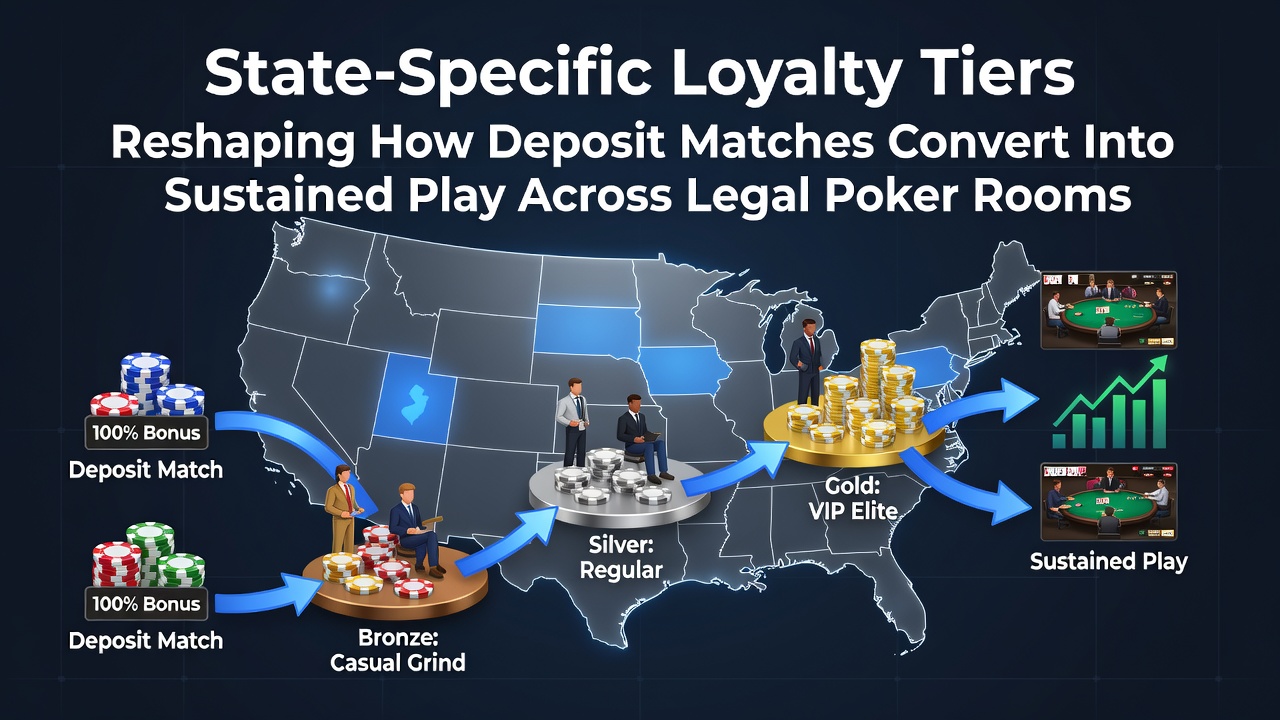
State regulatory environments have introduced distinct loyalty tier systems that modify how deposit matches translate into repeated activity on authorized poker platforms, and observers note these structures differ sharply across jurisdictions. Data from multiple states reveals that tiered rewards now tie directly to deposit conversion rates, creating pathways where initial bonuses extend into ongoing play through progressive benefits that reset according to local rules.
State Variations in Tier Design
New Jersey platforms integrate loyalty levels with deposit matches by requiring specific hand volumes before tier advancement, while Pennsylvania systems emphasize time-based progression that rewards consistent login patterns alongside deposit activity. Michigan operators apply volume thresholds tied to state tax structures, and these differences mean players encounter unique conversion mechanics depending on their location. Researchers tracking August 2026 activity found that platforms in states with stricter tier gates report higher average session lengths once players clear initial deposit requirements.
Those who monitor regulatory filings observe that each state mandates distinct reporting on how matched deposits feed into tier benefits, and this creates measurable divergence in retention patterns. One study from a Midwest university tracked player cohorts across three states and documented that customized tiers increased repeat deposits by aligning rewards with regional compliance standards rather than uniform national templates.
Conversion Mechanics and Sustained Activity
Deposit matches convert into sustained play when loyalty tiers unlock escalating rakeback percentages or priority access to tables, and these features activate only after players meet state-defined activity thresholds. Platforms in regulated markets now structure bonuses so that early match redemptions count toward tier points, which in turn unlock multipliers that extend play value over multiple sessions. Figures from industry reports indicate that states requiring faster tier resets see quicker shifts from deposit-driven entry to loyalty-maintained engagement.

Experts have documented cases where a player completing a matched deposit in one state advances two tiers within the first week, whereas the same deposit volume in another jurisdiction yields only single-tier movement because of differing point formulas. These mechanics encourage extended participation because higher tiers deliver compounding advantages that make continued deposits more attractive than one-time bonus claims. Data compiled through state gaming commissions shows that average hands played per matched deposit rose notably in markets where tier benefits scale with local player demographics.
Regulatory Influences on Player Patterns
State gaming authorities require transparent tracking of how deposit matches interact with loyalty systems, and this oversight has prompted operators to refine tier structures to comply while maximizing engagement metrics. According to American Gaming Association reports, jurisdictions that link tier advancement to deposit frequency rather than single large wagers record steadier conversion into sustained play across the month. Observers note that these adjustments align operator incentives with regulatory goals of responsible participation without abrupt session spikes.
Platforms must also account for cross-border player movement, and some states have introduced tier portability rules that allow partial progress transfer when players relocate within authorized networks. This development has altered how deposit matches convert because returning players retain partial tier status, reducing the reset barrier that previously interrupted momentum. Research indicates that such portability features correlate with longer overall platform tenure in multi-state operator groups.
Measurement of Engagement Outcomes
Analytics firms tracking August 2026 data across legal poker rooms report that states with granular tier customization achieve higher deposit-to-play ratios compared to those using standardized national templates. Metrics collected from operator filings reveal that players who reach mid-tier levels after an initial match maintain activity levels 30 to 40 percent above baseline for subsequent weeks, and these patterns hold across different stake levels. Regulatory summaries further show that tiered systems reduce early bonus exhaustion by spreading value across multiple sessions through incremental unlocks.
Conclusion
State-specific loyalty tiers continue to reshape deposit match conversion by embedding regional compliance requirements into reward progression, and this produces measurable differences in how players transition from initial bonuses to ongoing participation. Operators adapt tier formulas to local regulations while maintaining engagement targets, and data from multiple jurisdictions confirms that customized structures support extended play patterns more effectively than uniform approaches. As August 2026 figures demonstrate, these frameworks remain central to how legal poker rooms sustain activity across state lines.