Retention Dynamics in Authorized U.S. Gaming: Reload Incentives and Matched Credits at Work
Taylor Hughes · Aug 26, 2026
Retention Dynamics in Authorized U.S. Gaming: Reload Incentives and Matched Credits at Work
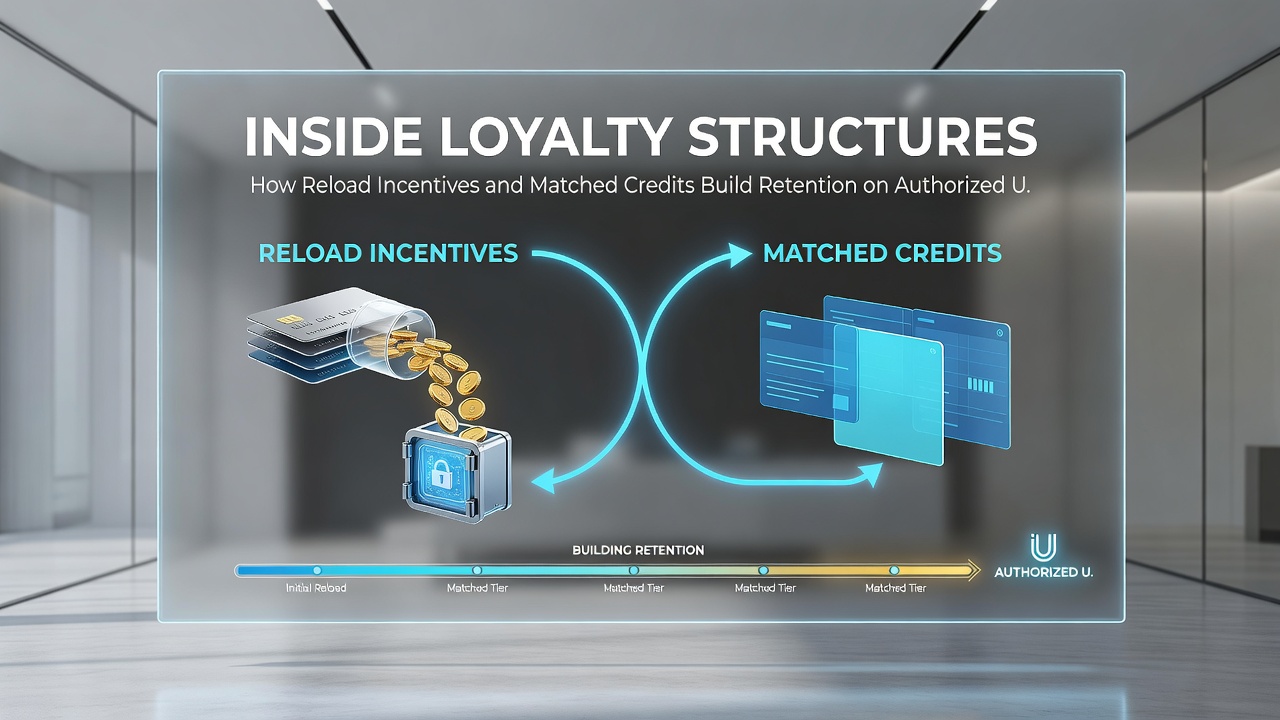
Authorized platforms across multiple states have refined their loyalty structures around reload incentives and matched credits, and these mechanisms now form a core part of how operators maintain consistent player activity throughout 2026. Data from state regulatory filings show that reload bonuses, which provide additional credits on subsequent deposits after an initial sign-up, appear regularly in August 2026 promotional calendars across New Jersey, Pennsylvania, and Michigan markets. Matched credits, meanwhile, function by aligning a percentage of a player’s deposit with bonus funds that carry specific wagering conditions, and operators report these tools help extend session lengths and repeat visits.
Operators structure these offers within multi-tier loyalty programs where players advance through levels based on activity metrics such as total wagers placed or deposits completed. Each tier unlocks higher reload percentages or lower rollover thresholds on matched credits, and regulatory reports indicate that players who reach mid-tier status demonstrate longer account lifespans compared with those who remain at entry levels. The New Jersey Division of Gaming Enforcement tracks these patterns through monthly operator submissions, revealing that reload-driven deposits increased notably during summer months when sports calendars remain active.
Mechanics of Reload Incentives Across State Lines
Reload incentives typically activate on a weekly or monthly schedule, and authorized sites set minimum deposit amounts that qualify users for the bonus while capping the maximum credit awarded. In Pennsylvania, for example, several platforms apply a 50 percent match up to a fixed dollar limit, then require the combined deposit and bonus to meet a 10-times wagering threshold before withdrawal becomes possible. Observers note that these parameters vary by state because each gaming control board maintains distinct rules on bonus advertising and fund release timing.
Matched credits operate similarly yet differ in their application to specific game types or bet categories. Some programs restrict the credits to slot play or certain casino verticals, whereas others allow use across sportsbooks and table games. Figures released by the Pennsylvania Gaming Control Board for the second quarter of 2026 illustrate that platforms offering flexible matched credits across multiple verticals recorded higher average revenue per user than those limiting credits to single categories.
Integration with Tiered Loyalty Frameworks
Loyalty programs layer reload incentives and matched credits onto a points-based progression system. Players accumulate points through deposits, wagers, and time spent on platform, then redeem those points for elevated reload rates or bonus credit multipliers. Research from university-affiliated gaming studies indicates that such integration encourages sustained engagement because players perceive tangible progress toward better rewards. In August 2026 several operators introduced limited-time double-point events tied to reload deposits, and internal metrics shared with regulators showed temporary spikes in both deposit frequency and average wager size.

State regulators require clear disclosure of all terms attached to these offers, and operators must display rollover requirements, expiration dates, and game contribution percentages before players claim any reload or matched credit. Compliance audits conducted in 2026 confirmed that platforms adhering to these transparency standards experienced fewer player complaints regarding bonus fulfillment. The structure also allows operators to segment player groups by activity level, directing higher-value reload offers toward those already demonstrating consistent engagement.
Observed Patterns in Player Behavior
Retention data collected by licensed operators reveal that players who regularly utilize reload incentives show lower churn rates over six-month periods. Matched credits appear especially effective when paired with time-limited events such as weekend sports promotions or seasonal casino tournaments. Reports compiled by the Michigan Gaming Control Board for early 2026 highlight that accounts receiving matched credits during peak promotional windows maintained higher login frequency than accounts without similar incentives. Operators adjust the frequency and size of these offers based on real-time analytics, scaling them up during high-traffic periods and moderating them when player volume stabilizes.
Cross-state comparisons show regional differences in how reload incentives interact with matched credits. New Jersey platforms often combine both elements within a single loyalty tier, while Michigan sites frequently separate reload bonuses into distinct weekly campaigns. These variations reflect local regulatory preferences and market maturity levels, yet the underlying goal remains consistent: encouraging players to maintain funded accounts and return regularly.
Conclusion
Reload incentives and matched credits continue to serve as primary tools within loyalty structures on authorized U.S. platforms, and state-level data through August 2026 confirm their ongoing role in supporting player retention. As operators refine tier progression rules and regulatory bodies maintain oversight on bonus transparency, these mechanisms evolve in response to both player behavior patterns and compliance requirements. The resulting frameworks provide structured pathways for players to access ongoing value while giving platforms measurable methods to track engagement over time.