Shifting Focus: How App Notifications Shape Bonus Discovery Patterns Among New Users on State-Authorized Platforms
Otto Lange · Jun 24, 2026
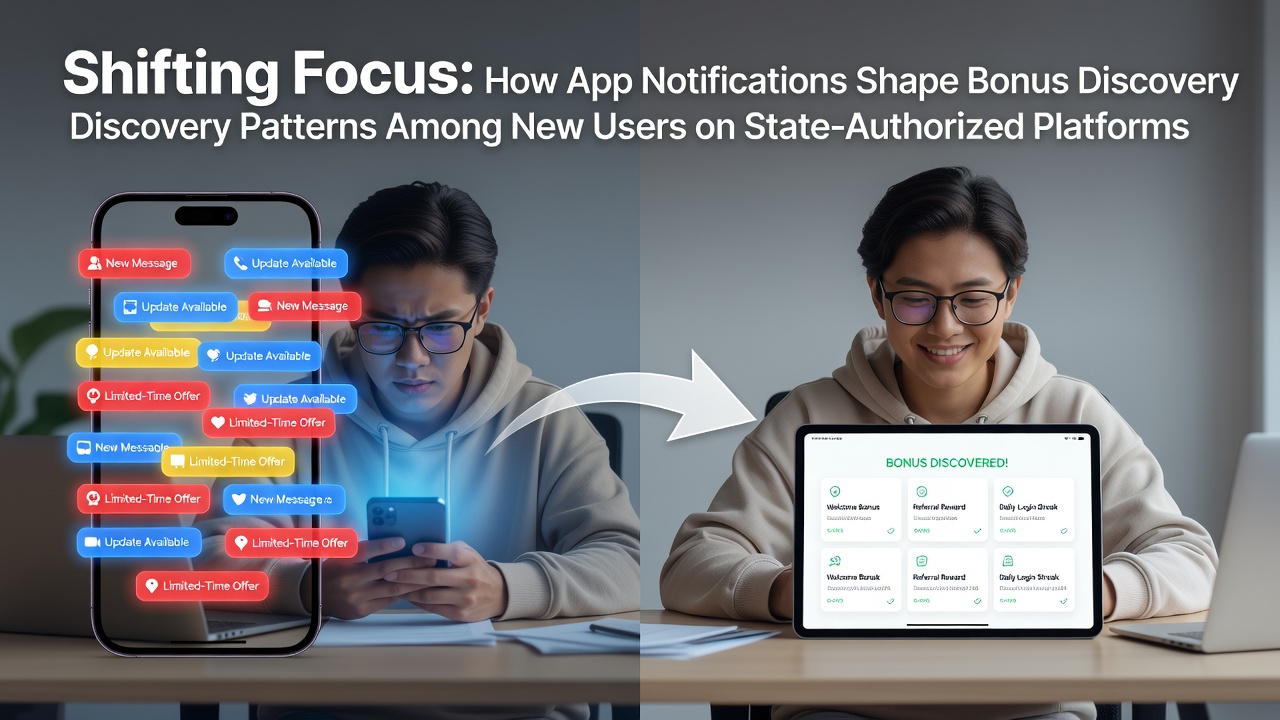
Shifting Focus: How App Notifications Shape Bonus Discovery Patterns Among New Users on State-Authorized Platforms
State-authorized gaming platforms across the United States have integrated push notifications into their mobile applications as a primary channel for communicating with new users, and these alerts directly influence how newcomers locate and engage with promotional offers. Data from multiple jurisdictions shows that users who receive targeted notifications within the first seven days of account creation exhibit higher rates of bonus exploration compared to those who rely solely on in-app browsing or email summaries.
Notification Mechanics on Regulated Applications
Operators in states such as New Jersey, Pennsylvania, and Michigan configure notification systems to trigger based on account activity thresholds, deposit patterns, and time elapsed since registration. These systems send messages highlighting matched deposits, free bet credits, or loyalty tier advancements, and the timing of these messages correlates with measurable shifts in user navigation paths within the app interface. Researchers at the University of Nevada, Las Vegas have documented that notifications delivered during evening hours produce different click-through patterns than those sent during morning commutes, with evening alerts more frequently leading users toward bonus claim sections.
Discovery Patterns Among First-Time Users
New users on authorized platforms often begin their interaction through the welcome screen and deposit flow, yet many overlook the promotions tab until an external prompt appears. Observers tracking session logs note that a single notification containing a direct link to active offers reduces the average number of taps required to reach bonus terms by nearly half. This efficiency matters because users who locate offers quickly show greater retention through the initial wagering period. Patterns indicate that users who ignore the first three notifications demonstrate lower overall engagement with any promotional content throughout the remainder of their first month.
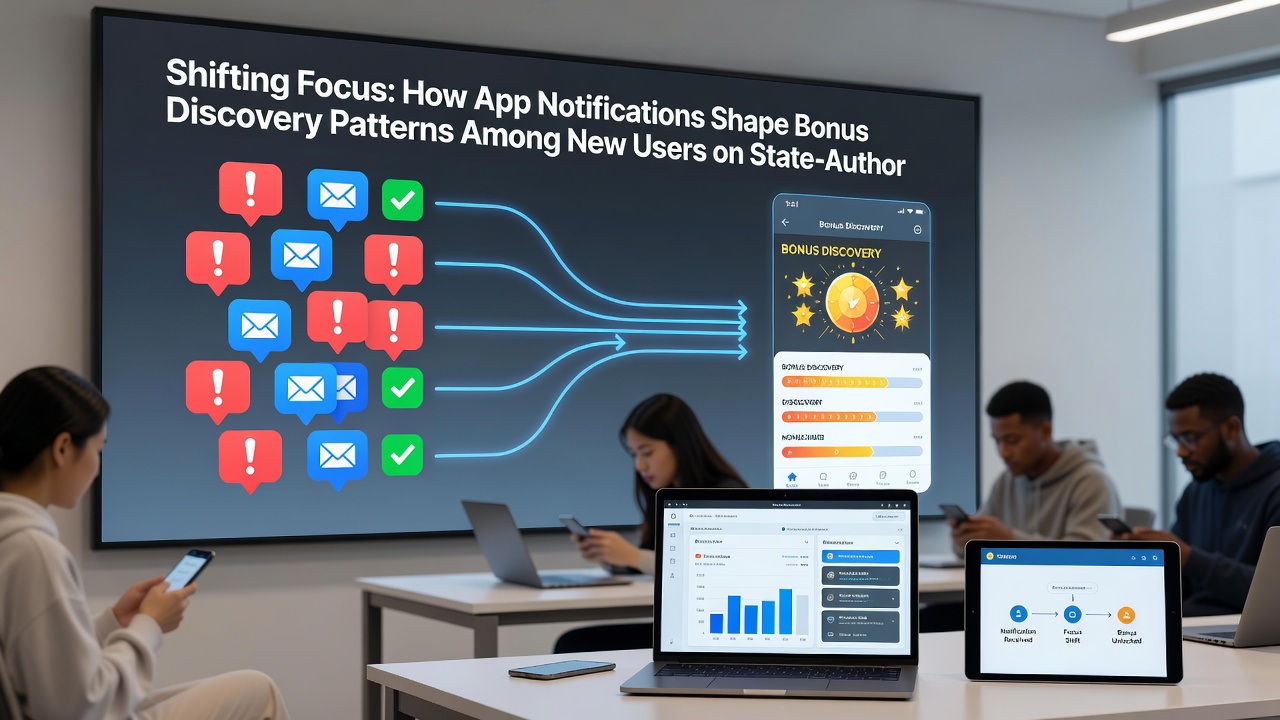
Regional Variations in Notification Strategy
Platforms licensed in different states adjust notification content according to local regulatory language requirements, and these adjustments produce distinct discovery behaviors. In New Jersey, where the Division of Gaming Enforcement oversees advertising standards, messages must include specific responsible gaming disclaimers that appear alongside bonus details. Users in that market tend to spend additional seconds reading the full notification before proceeding, which slightly delays but does not eliminate the path to the promotions page. In contrast, Michigan users encounter shorter regulatory phrasing, and session data reveals faster navigation once the alert is opened. These differences illustrate how compliance frameworks interact with notification design to shape user journeys without altering the underlying goal of guiding new accounts toward eligible offers.
June 2026 Trends and Platform Adjustments
By June 2026, several operators had introduced segmented notification schedules that separate bonus alerts from general game updates, and early returns suggest this separation increases the proportion of new users who complete a bonus-related action within 48 hours of the first alert. Figures released by the American Gaming Association indicate that states with mature mobile markets recorded a measurable uptick in bonus claim rates during the first half of the year, coinciding with refinements in notification frequency and personalization. Those who have studied these updates point to the role of A/B testing conducted by platform teams, where variations in headline wording and emoji usage produced measurable differences in open rates among users aged 21 to 35.
Integration with Broader User Acquisition Efforts
Notification systems do not operate in isolation from other acquisition channels, and operators coordinate them with referral links, social media campaigns, and affiliate tracking. When a new user arrives through an external referral that already contains bonus language, the first in-app notification often reinforces rather than introduces the offer. This reinforcement effect appears strongest when the notification arrives within two hours of initial registration, according to aggregated platform reports. Users who experience this sequence show higher completion rates for initial deposit requirements tied to promotional play credits.
Conclusion
App notifications have become a central mechanism through which new users on state-authorized platforms locate and activate bonuses, and the patterns emerging from usage data continue to guide how operators refine delivery timing, content length, and segmentation. As regulatory environments evolve and additional states authorize mobile gaming, the relationship between notification design and bonus discovery remains a focal point for platform optimization efforts. Those monitoring these developments will likely see continued adjustments aimed at balancing user engagement with compliance obligations across different jurisdictions.