Shifts in Player Engagement Driven by Reload Offers Within Established Legal Betting Frameworks
Otto Lange · Jun 22, 2026
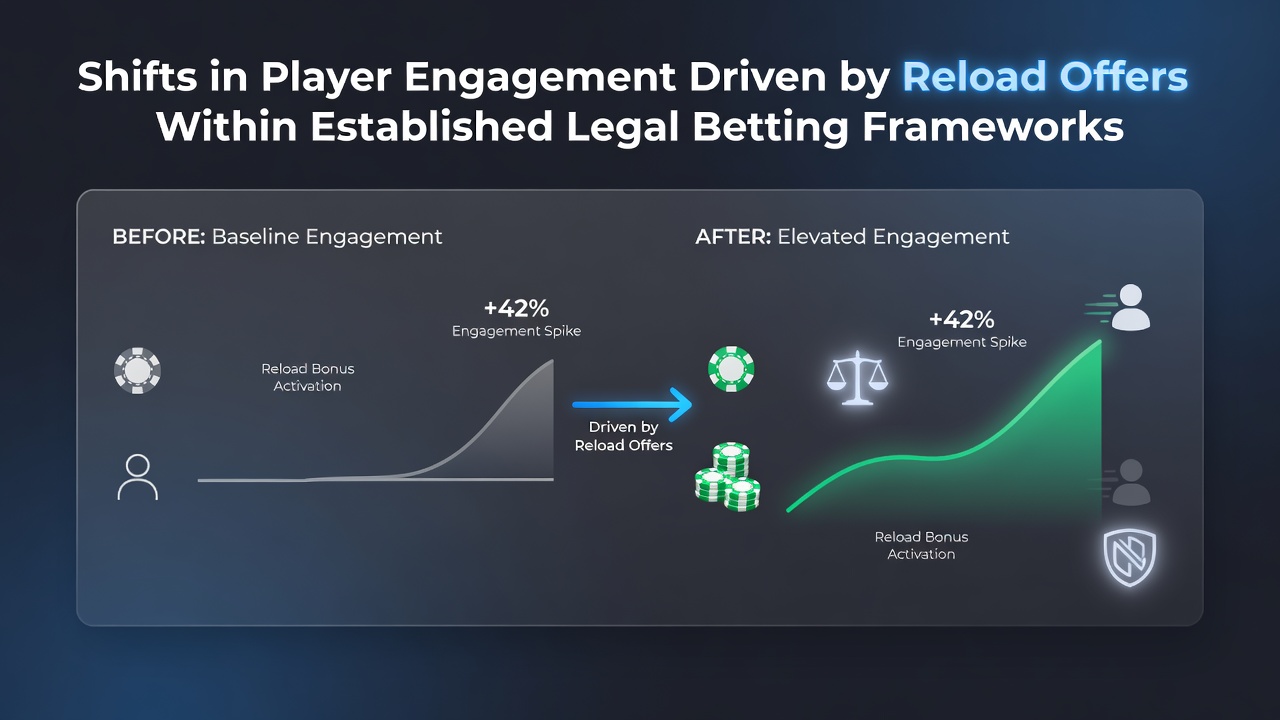
Shifts in Player Engagement Driven by Reload Offers Within Established Legal Betting Frameworks
Reload offers have become central to how operators maintain activity levels among existing account holders across regulated betting environments, and data from multiple jurisdictions shows measurable changes in session frequency and deposit patterns following their introduction. These incentives typically take the form of matched deposits, risk-free wagers, or percentage-based credits applied to subsequent funding actions, and they operate inside frameworks that already impose strict age verification, transaction monitoring, and responsible gaming protocols.
Mechanics of Reload Structures in Regulated Markets
Operators design reload offers with specific eligibility windows, often tied to weekly or monthly deposit cycles, while wagering requirements ensure that credited amounts convert into settled play rather than immediate withdrawals. Research from state gaming commissions indicates that players who receive reload credits demonstrate higher rates of return visits within 14 days compared to those who do not receive similar incentives. The structure allows platforms to segment users by deposit history, applying higher match percentages to mid-tier accounts while reserving flat bonuses for higher-volume participants.
Legal requirements in places such as New Jersey and Pennsylvania mandate clear disclosure of terms, which has led to standardized presentation formats that include rollover multipliers and expiration periods. This transparency has coincided with steadier engagement curves, as account holders plan deposits around known offer schedules rather than reacting to sporadic promotions.
Observed Changes in Player Behavior Patterns
Figures released by the Nevada Gaming Control Board for the first half of 2026 reveal that reload-eligible accounts recorded an average 18 percent increase in weekly deposits during periods when offers were active. Similar patterns appear in data compiled by iGaming Ontario, where reload campaigns aligned with provincial sports seasons produced sustained activity through the spring months and into early summer. These shifts differ from acquisition-focused bonuses because they target accounts that have already completed initial verification steps, reducing friction associated with new user onboarding.
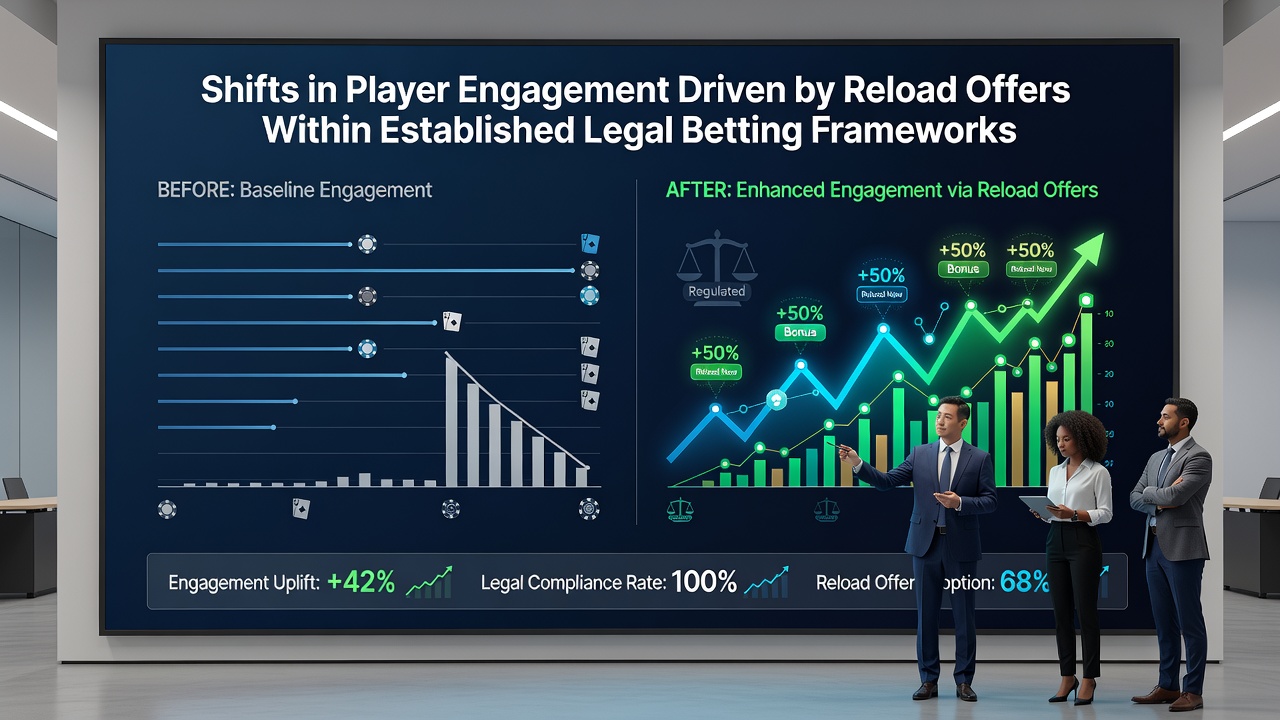
Engagement metrics also show that reload recipients extend their average session length, particularly when offers combine with loyalty tier progressions. Operators track these outcomes through unique promo codes that link individual accounts to specific campaigns, allowing precise measurement of conversion from credited funds into settled wagers. In June 2026, several platforms reported that reload-driven activity contributed to stable handle figures even as overall market growth slowed compared with the prior year.
Integration With Broader Loyalty and Compliance Systems
Reload offers frequently operate alongside tiered reward programs that award additional credits based on cumulative play volume. This layering creates pathways where players advance through status levels while simultaneously claiming recurring deposit matches. Regulatory oversight ensures that such combined incentives remain within limits that prevent excessive risk exposure, with mandatory cool-off periods applied when thresholds are reached.
Industry reports from the Canadian Gaming Association highlight how reload mechanics have been adjusted to accommodate responsible gaming tools, including voluntary deposit caps that automatically adjust offer eligibility. These adjustments maintain compliance while preserving the engagement benefits that reload structures provide within established legal channels.
Regional Variations in Offer Deployment
Frameworks in Australia and parts of the European Union apply distinct caps on bonus values and frequency, which influences the scale of engagement shifts observed in those markets. Australian state regulators, for instance, require that reload offers carry minimum playthrough periods before any associated winnings become withdrawable. Data collected through these requirements shows consistent month-over-month increases in active accounts during periods when reload schedules align with major sporting events.
In contrast, U.S. state programs emphasize real-time transaction reporting, which enables regulators to monitor how reload credits distribute across player segments. This granularity supports ongoing evaluation of whether such offers produce temporary spikes or longer-term retention gains.
Conclusion
Reload offers continue to shape engagement dynamics inside legal betting systems by encouraging repeat deposits and extending play cycles among verified users. Evidence from regulatory filings across multiple regions demonstrates that these incentives produce measurable changes in activity metrics without altering the underlying compliance structures that govern all transactions. As frameworks evolve through 2026, operators and regulators alike rely on detailed tracking to assess how reload mechanisms interact with player behavior over sustained periods.