State-Level Differences in How Matched Play Credits and Risk-Free Wagers Integrate With Multi-Tier Reward Systems on Authorized Platforms
Otto Lange · May 27, 2026
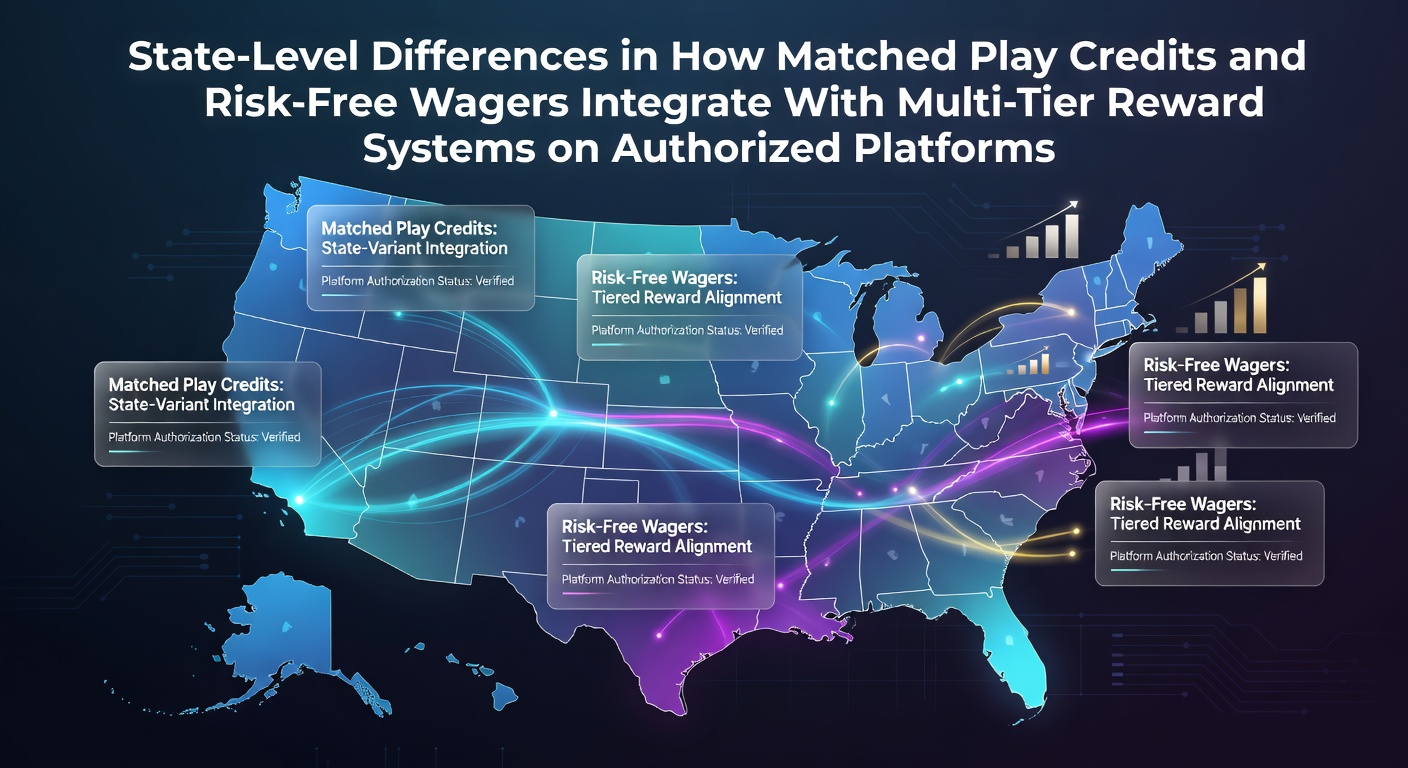
State-Level Differences in How Matched Play Credits and Risk-Free Wagers Integrate With Multi-Tier Reward Systems on Authorized Platforms
State regulators across the United States apply distinct rules when matched play credits and risk-free wagers combine with multi-tier reward systems on licensed platforms, adn these differences shape how operators structure promotions in each jurisdiction. Platforms must align bonus mechanics with local statutes that govern wager eligibility, tier progression, and credit expiration, which creates noticeable variation from one state to the next.
Core Mechanics of Matched Play Credits and Risk-Free Wagers
Matched play credits function as percentage-based additions to deposits that users then convert into wagers, while risk-free wagers provide stake reimbursement up to a set limit if the initial bet loses. Both instruments feed into loyalty tiers by generating qualifying handle that advances users through bronze, silver, gold, and platinum levels. Data collected by state agencies shows that credit contributions to tier meters range between 50 and 100 percent depending on the jurisdiction, which directly affects how quickly players unlock higher reward rates.
Integration Patterns in Major Markets
New Jersey platforms calculate matched credits at full face value toward tier advancement, yet risk-free wagers often receive only partial recognition after regulatory review by the Division of Gaming Enforcement. In contrast, Pennsylvania requires that risk-free wagers contribute dollar-for-dollar to loyalty meters while matched credits carry a 75 percent multiplier once they convert into settled wagers. Michigan operators apply a uniform 100 percent contribution rate for both instruments, although state rules cap the total credits that can count toward any single tier cycle at $2,500 monthly.
These calculation differences emerge because each state’s gaming control board sets its own standards for responsible play tracking and anti-money-laundering thresholds. Operators therefore maintain separate backend configurations for each license, ensuring that the same user account displays distinct tier balances when accessed from different state domains.
Regulatory Adjustments Observed Through May 2026
By May 2026 several states had updated reporting requirements that now mandate weekly submission of tier-progression logs tied to promotional credits. New York’s Gaming Commission requires platforms to tag every matched play credit and risk-free wager with a unique identifier so auditors can verify that tier rewards do not exceed statutory caps on player incentives. Illinois introduced a similar tagging system in early 2026 after reviewing data that linked high-volume credit usage to accelerated tier climbs.
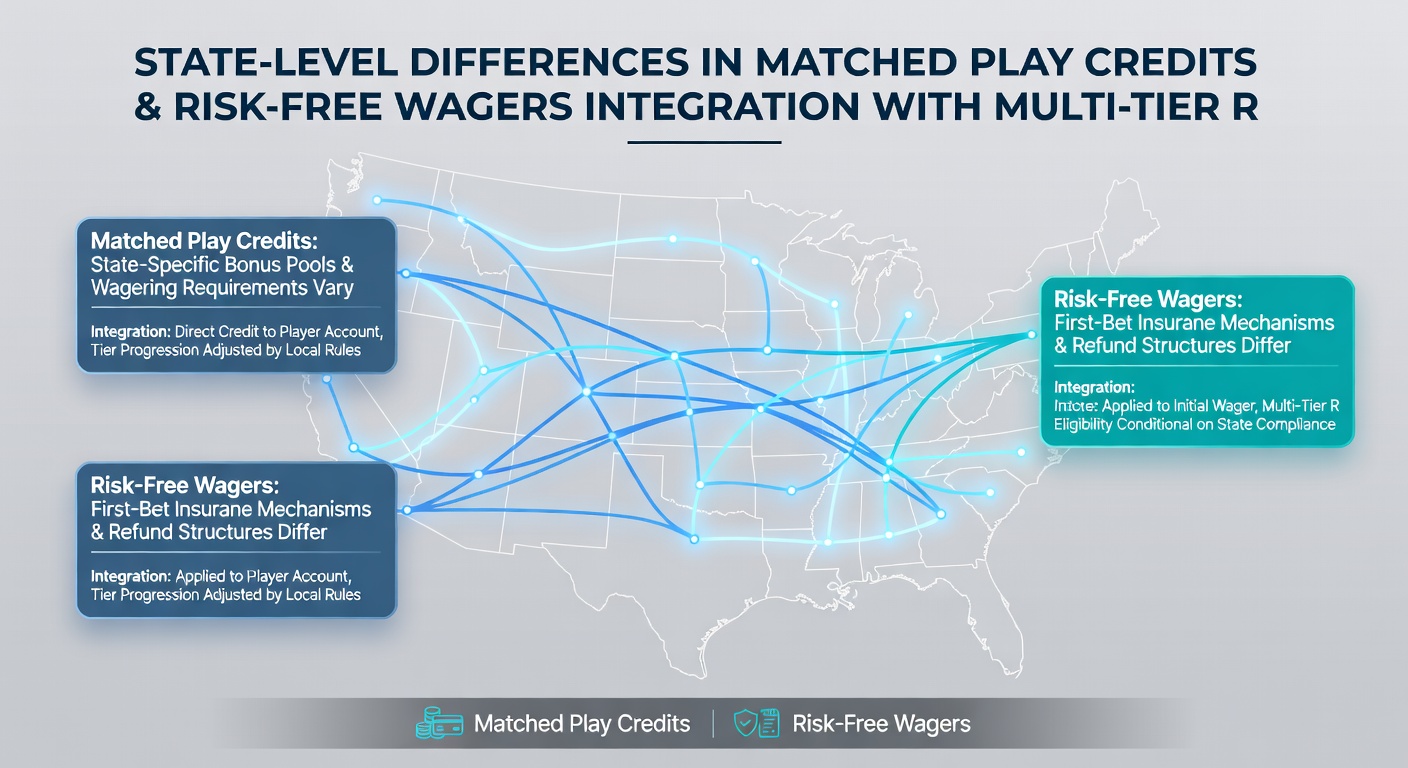
Platforms respond by adjusting expiration windows and rollover conditions so that credits remain usable long enough to support tier movement without violating state-imposed settlement deadlines. One case documented by the Michigan Gaming Control Board involved an operator that shortened risk-free wager validity from 30 days to 14 days after state examiners flagged extended windows as potential inducements outside approved marketing parameters.
Cross-State User Experiences and Platform Adaptations
Users who hold accounts in multiple states frequently encounter different tier progression speeds because the same wager volume produces varying credit contributions. Researchers at the University of Nevada, Las Vegas have documented how these discrepancies influence player migration patterns between neighboring jurisdictions during major sporting events. Operators mitigate friction by displaying state-specific tier meters within their apps, which prevents confusion when a single user switches between licensed environments.
Industry groups such as the American Gaming Association have compiled comparative matrices that operators reference when launching new reward structures. These matrices highlight that states with stricter contribution caps tend to see slower tier advancement rates, which in turn reduces the frequency of platinum-level redemptions.
Conclusion
State-level rules continue to dictate how matched play credits and risk-free wagers feed into multi-tier systems, and operators maintain distinct compliance layers to satisfy each regulator. As reporting standards evolve through 2026, platforms update their integration logic to keep pace with new tagging, contribution, and audit requirements while preserving the core functionality that allows users to progress through loyalty tiers across authorized markets.