State Regulations Dictate Mobile Wallet Pathways for Unlocking Tiered Reload Credits on Licensed Platforms
Taylor Hughes · Aug 26, 2026

State Regulations Dictate Mobile Wallet Pathways for Unlocking Tiered Reload Credits on Licensed Platforms
State compliance frameworks across the United States continue to shape how mobile wallets connect with authorized platforms and determine access to tiered reload credits, and these rules vary sharply from one jurisdiction to another because each state maintains its own licensing standards, verification protocols, and transaction monitoring requirements. In practice operators must align wallet integrations with local statutes that govern deposit methods, identity checks, and bonus structures, which directly affects when and how users unlock successive credit tiers after initial funding.
August 2026 brought fresh regulatory clarifications in several key markets, and those updates refined the thresholds for reload eligibility while reinforcing data-sharing mandates between wallet providers and state oversight bodies. Observers note that platforms operating in multiple states now deploy geo-specific wallet configurations to satisfy differing rules on maximum deposit velocities, anti-money laundering screening intervals, and the sequencing of credit tier releases.
Core Compliance Elements Affecting Wallet Functionality
Every authorized platform must embed state-mandated verification layers before a mobile wallet can trigger higher reload credit tiers, and these layers typically include address confirmation, source-of-funds documentation, and periodic re-authentication that may occur after a set number of transactions or a cumulative deposit total. New Jersey rules, for instance, require real-time cross-checks with the Division of Gaming Enforcement database, whereas Pennsylvania emphasizes cumulative play thresholds before tier advancement becomes available. Such differences force operators to maintain separate compliance engines that activate or restrict wallet features based on user location and account history.
Data from the New Jersey Division of Gaming Enforcement shows that platforms adjusting wallet APIs to meet updated August 2026 guidelines experienced measurable shifts in the timing of tier-two and tier-three reload credits. Those adjustments often involve automated hold periods that pause credit release until additional identity elements clear automated reviews, and the process protects both operators and users while satisfying state audit trails.
Regional Differences in Tier Unlocking Mechanics
Michigan and West Virginia impose distinct spending-velocity caps that interact directly with wallet reload sequences, and these caps determine how quickly a user can progress through credit tiers without triggering mandatory cooling-off intervals. In contrast, states such as Delaware focus more on wallet provider accreditation, requiring that only pre-approved digital wallet entities can initiate deposits that count toward tier advancement. Operators therefore segment their user bases and apply tailored reload matrices that reflect each state's emphasis on either transaction speed or provider vetting.
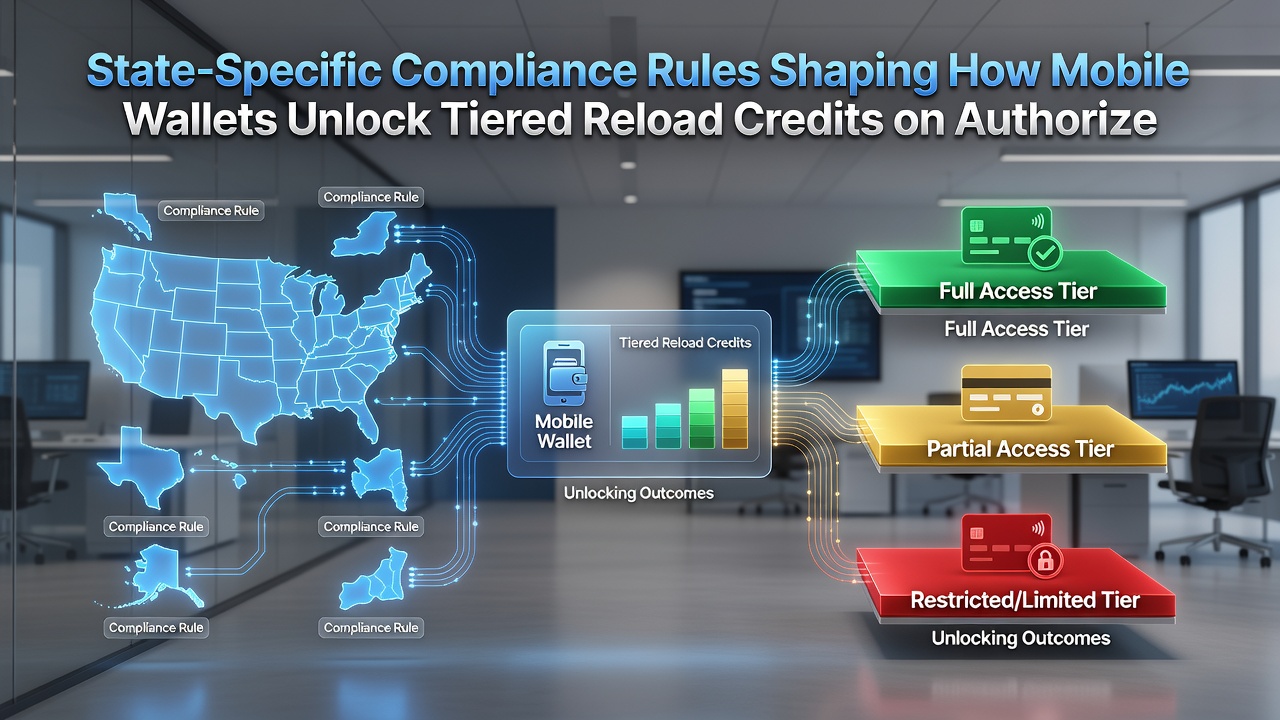
One study released by the University of Nevada, Las Vegas International Gaming Institute examined how these state-level distinctions influence user progression through reload tiers, and the findings indicated that platforms using unified wallet interfaces across borders encountered higher rates of transaction friction in states with stricter sequential verification demands. The research highlighted that geo-fencing combined with dynamic compliance flags allows operators to maintain consistent user experiences while still honoring each jurisdiction's unique constraints on credit tier activation.
Technical Integration and Oversight Requirements
Wallet providers must supply detailed transaction logs to state regulators on a scheduled basis, and these logs feed into algorithms that monitor reload credit patterns for signs of irregular activity. When anomalies appear the system can automatically downgrade a user's tier eligibility until manual review occurs, a safeguard that several states codified in 2025 and strengthened further in August 2026. Operators report that maintaining these audit connections adds processing overhead yet remains essential for continued licensure and for preserving user access to progressive reload structures.
Canadian provincial frameworks offer useful comparative models, and regulators there have published guidance on digital wallet interoperability that some U.S. states have referenced when drafting their own mobile-specific rules. The cross-border exchange of best practices helps standardize certain technical requirements such as encryption standards and API response times, even as substantive differences in tier-release timing persist between jurisdictions.
Conclusion
State-specific compliance regimes ultimately determine the precise conditions under which mobile wallets unlock successive reload credit tiers on authorized platforms, and ongoing regulatory refinements ensure these mechanisms evolve alongside technological capabilities and enforcement priorities. Platforms that successfully map each state's requirements to their wallet infrastructure continue to deliver tiered incentives while remaining fully aligned with local statutes, demonstrating that regulatory variation and operational consistency can coexist within the same digital environment.