Tracing How Secure Transaction Protocols Influence Access to Tiered Incentives Across Authorized State Platforms
Yves Simmons · Jun 3, 2026
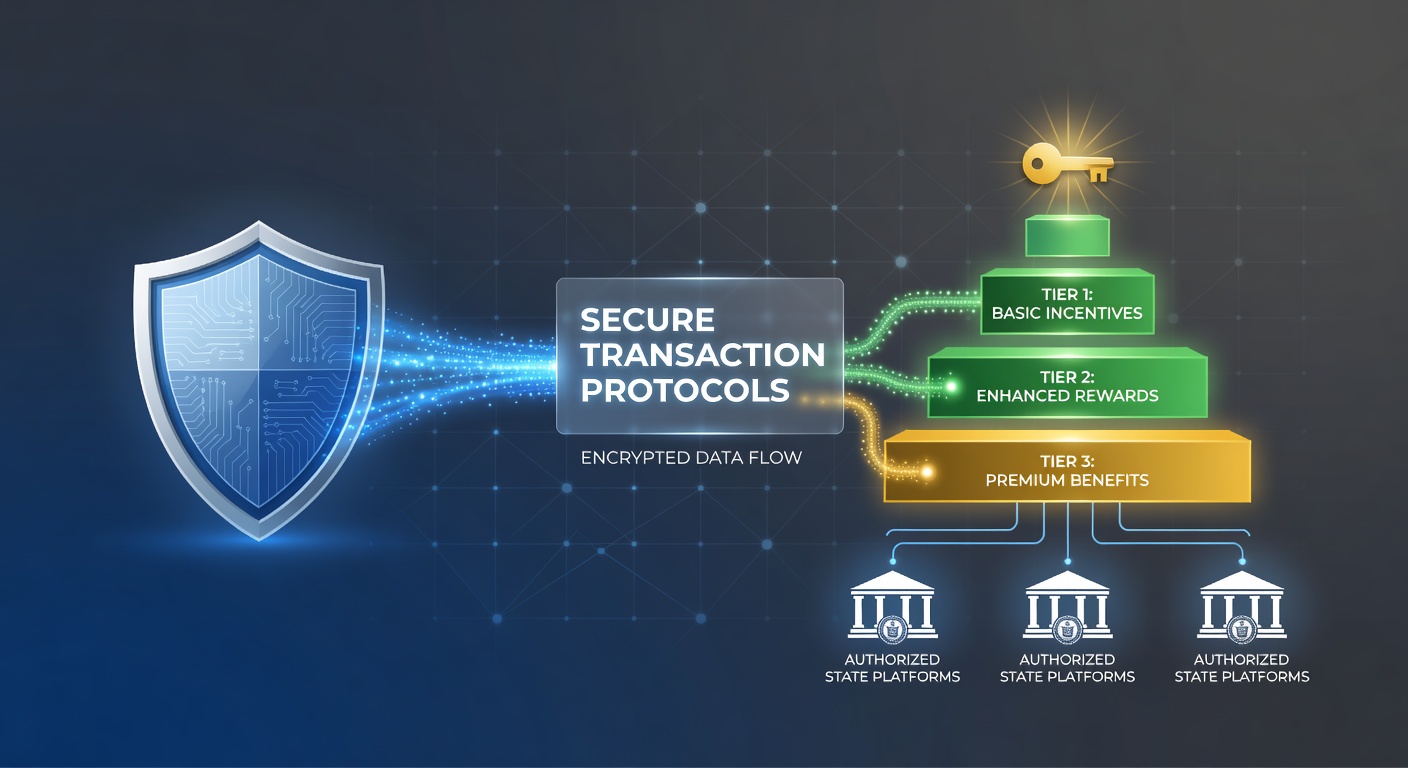
Tracing How Secure Transaction Protocols Influence Access to Tiered Incentives Across Authorized State Platforms
Secure transaction protocols form the backbone of access controls on authorized state platforms where tiered incentives operate, and researchers have mapped direct connections between encryption standards and reward eligibility verification processes. Data from multiple jurisdictions shows that platforms using advanced tokenization reduce unauthorized access attempts by substantial margins, which in turn streamlines how users progress through loyalty levels. Those who've studied these systems note that protocols requiring multi-factor authentication often gate higher-tier rewards behind verified transaction histories, creating measurable differences in reward distribution across states.
Protocol Standards and Their Role in Verification
PCI DSS compliance combined with end-to-end encryption determines whether a deposit registers as legitimate for incentive calculations, and this verification step occurs before any tier advancement can take place. Observers note that states with stricter protocol mandates, such as those requiring real-time fraud detection layers, report fewer delays in crediting matched deposits or loyalty points. Figures reveal that platforms integrating biometric confirmation alongside traditional methods see faster approval rates for users seeking access to premium reward brackets, while systems relying solely on basic card checks encounter more frequent holds.
June 2026 brought updates in several state regulatory frameworks that emphasized protocol interoperability, allowing seamless data exchange between banking partners and gaming operators without compromising security layers. This shift has enabled platforms to process incentive claims more efficiently when users meet the required security thresholds, and analysts tracking these changes point to reduced friction in cross-state account linkages.
Impact on Tier Progression Mechanisms
Tiered incentives typically unlock after users complete verified transaction sequences that meet security benchmarks, and these benchmarks include elements like address verification, device fingerprinting, and transaction pattern analysis. Research indicates that platforms enforcing dynamic protocol checks experience lower rates of reward abuse, which preserves the integrity of loyalty structures. People who've examined user data across platforms find that accounts passing initial security audits gain quicker entry to mid-level rewards, whereas those requiring additional manual reviews face extended waiting periods before tier benefits activate.
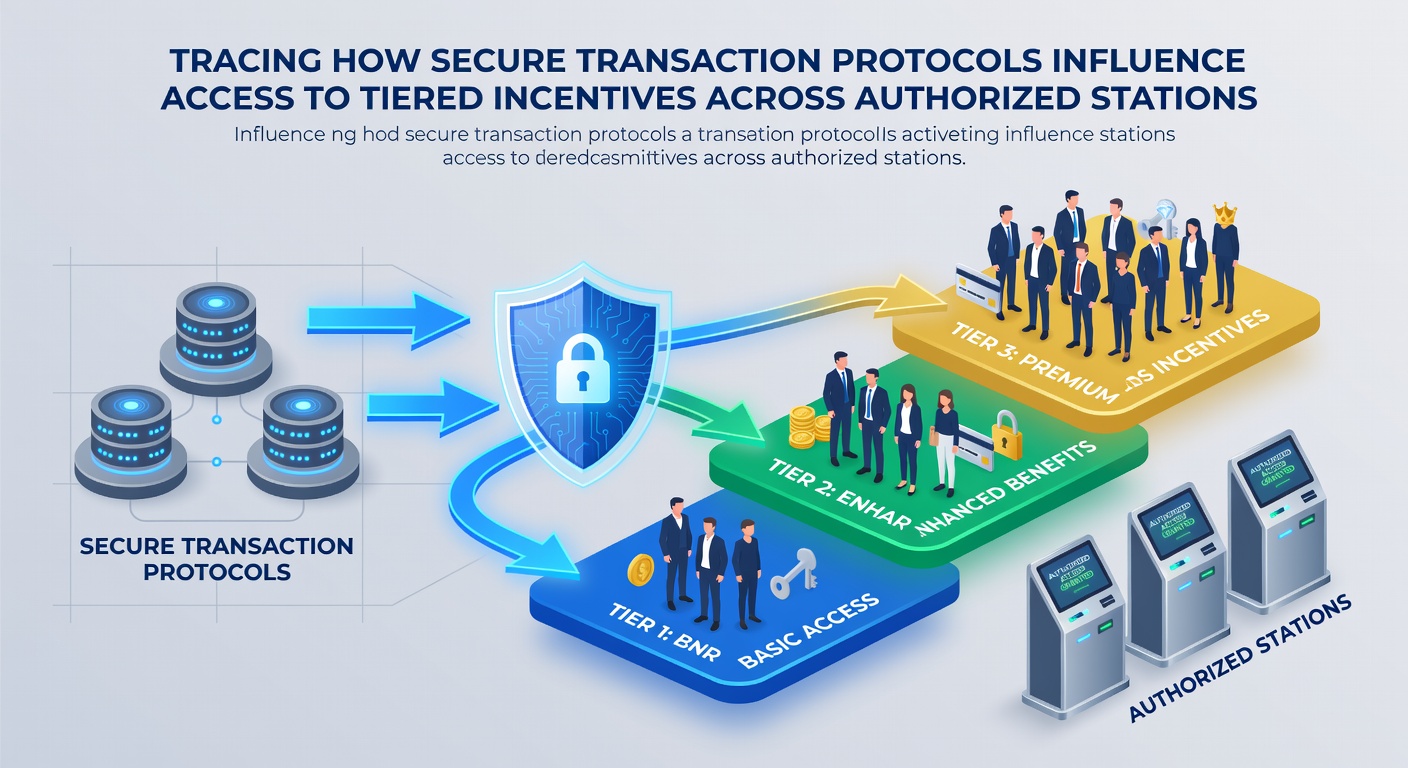
Take one case where experts tracked protocol updates in a major market and discovered that switching to tokenized payment rails cut verification times by over half, allowing more users to qualify for reload incentives without repeated authentication steps. Yet the same transition highlighted gaps for users on older devices that struggle with newer security handshakes, resulting in temporary blocks from higher tiers until upgrades occur. Data shows these disparities appear most clearly in states that adopted unified security standards early, creating consistent patterns in how quickly different user segments advance.
State-Level Variations in Protocol Implementation
Authorized platforms in different states apply security requirements unevenly, which directly shapes who reaches each incentive tier and when. Some jurisdictions mandate continuous monitoring protocols that flag unusual activity in real time, blocking reward claims until resolution, while others permit batch processing that speeds up routine verifications. According to reports from the Nevada Gaming Control Board, these variations lead to measurable differences in average time to tier advancement across borders. What's interesting is how users moving between states often encounter protocol mismatches that reset their progress until new verifications complete.
Industry groups such as the American Gaming Association have documented cases where enhanced protocol adoption correlated with higher retention in upper reward tiers, because secure environments reduce account compromises that otherwise disqualify participants. But here's the thing: platforms balancing strict security with user-friendly interfaces tend to maintain steadier growth in active tier members, whereas overly rigid systems see drop-offs at intermediate levels. Figures from academic studies on digital payment security further confirm that encryption strength influences not just access but also the types of incentives available, since higher-risk transactions rarely qualify for premium offers.
Future Developments in Protocol Integration
Emerging standards around quantum-resistant encryption and decentralized identity verification are beginning to appear in pilot programs on select state platforms, and these could redefine eligibility pathways for tiered incentives by adding new layers of transaction authenticity. Those monitoring regulatory trends expect that states aligning their protocols with international benchmarks, such as guidelines from the Australian Transaction Reports and Analysis Centre, will see smoother cross-border user experiences. Evidence suggests that such alignments reduce duplicate verification burdens, letting participants carry their tier status more reliably when traveling between authorized markets.
Conclusion
Secure transaction protocols continue to shape access pathways to tiered incentives on authorized state platforms through layered verification that prioritizes both safety and eligibility accuracy. As implementations evolve in 2026 and beyond, the connections between protocol strength and reward distribution remain a key area for ongoing observation across jurisdictions.