Tracing Incentive Distribution Patterns Through Secure Payment Gateways on Regulated American Gambling Applications
Ulrich Coleman · Jul 20, 2026
Tracing Incentive Distribution Patterns Through Secure Payment Gateways on Regulated American Gambling Applications
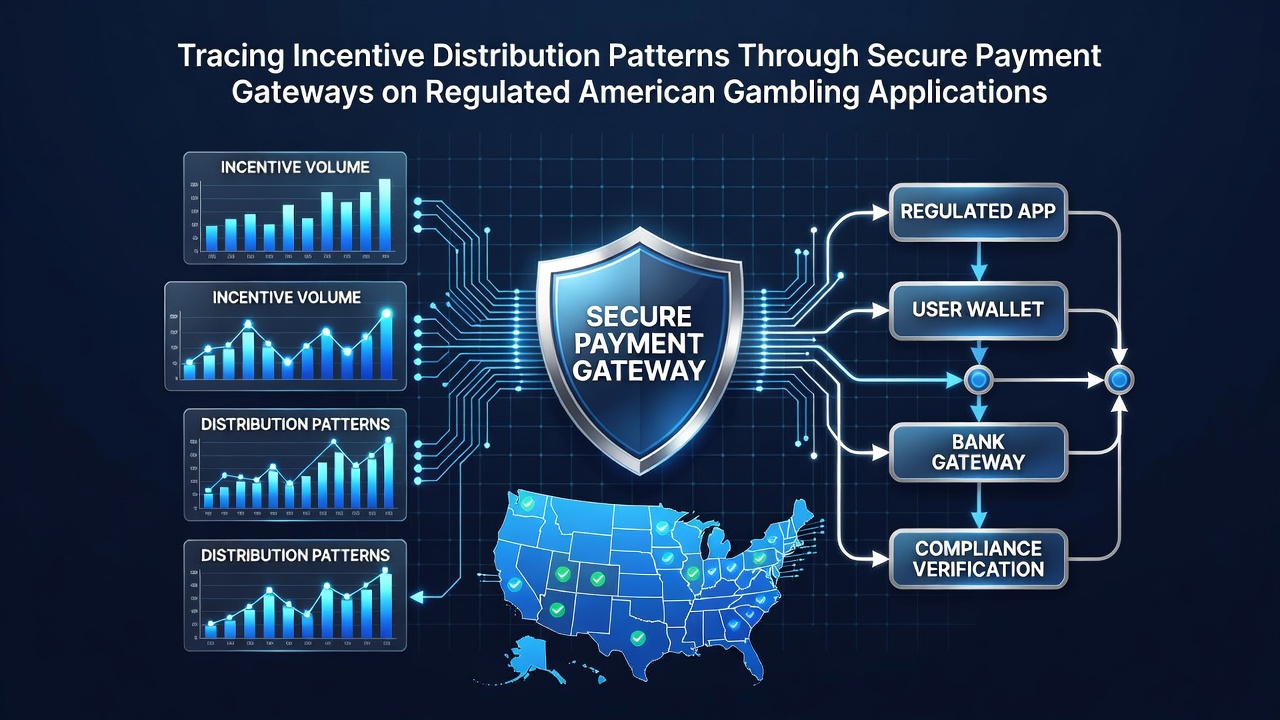
Regulated American gambling applications rely on secure payment gateways to handle incentive distributions such as deposit matches and loyalty credits while maintaining compliance with state-specific rules. These gateways process transactions through encrypted channels that verify user accounts before releasing funds or promotional balances. Observers note that the flow typically begins with identity confirmation via multi-factor authentication followed by routing through processors that support methods including ACH transfers, credit cards, and digital wallets approved in each jurisdiction.
Mechanics of Gateway Integration with Incentive Systems
Payment gateways connect directly to operator platforms so that when a user completes a qualifying deposit the system automatically triggers incentive allocation according to predefined criteria. Researchers have documented patterns where credits appear in player accounts within seconds of transaction approval because the gateway software synchronizes with backend reward engines. In states like Nevada and Pennsylvania this integration must also log every step for audit trails required by gaming control boards. Data from the American Gaming Association indicates that over 90 percent of such transactions now use tokenization to replace sensitive card details with unique identifiers that reduce exposure during incentive crediting cycles.
State Variations in Distribution Timing and Verification
Each regulated market imposes its own timing requirements that affect how quickly incentives reach users after gateway processing. New Jersey platforms for example often finalize matched deposits within one business day whereas Michigan operators may extend verification windows to accommodate additional fraud checks. Those who've examined transaction logs across multiple states find that gateways equipped with real-time fraud scoring tools shorten these intervals while preserving regulatory oversight. July 2026 brought updates to several state protocols that now require gateways to flag unusual incentive patterns such as repeated small deposits designed to maximize bonus triggers.
Security Protocols Shaping Eligibility Patterns
Secure gateways employ layered encryption and device fingerprinting that influence which users qualify for certain incentives. Accounts flagged for inconsistent geolocation data during deposit attempts frequently experience delayed or restricted credit distribution even when other eligibility criteria are met. Studies conducted by university researchers show that these security layers create observable clusters where verified mobile users receive faster access to tiered rewards compared with desktop sessions routed through shared networks. The result appears in aggregated reports as regional differences in redemption rates that align with the prevalence of approved payment methods in each area.
Tracking Patterns Across Multiple Jurisdictions
Analysts tracking incentive flows have identified recurring sequences where gateway confirmations precede automatic enrollment into loyalty tiers. In Massachusetts and Illinois these sequences incorporate mandatory cooling-off periods after large deposits to prevent rapid cycling of promotional funds. Figures from the Massachusetts Gaming Commission reveal that July 2026 saw a measurable uptick in ACH-based incentive distributions compared with card transactions partly because those methods trigger fewer secondary reviews. Observers point out that such shifts create traceable patterns in volume data that operators use to adjust gateway configurations without altering underlying promotional structures.
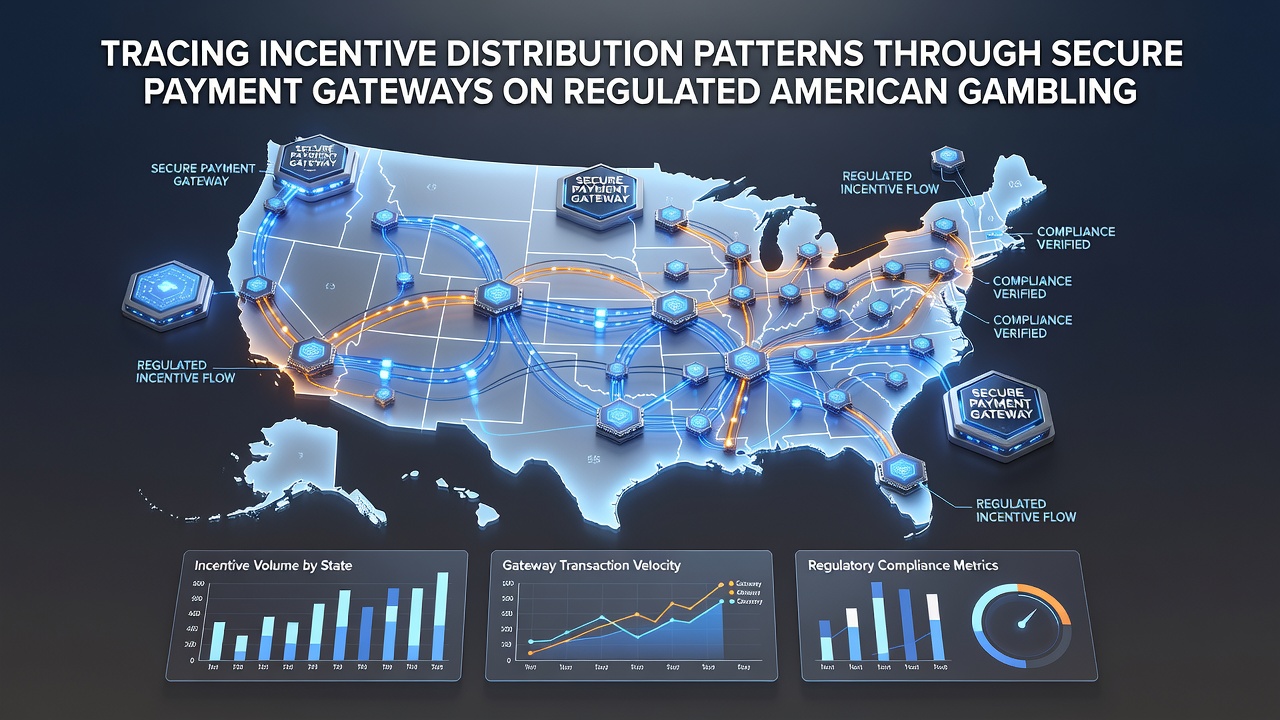
Cross-state comparisons further highlight how gateway providers standardize certain security features while allowing customization for local rules. One documented pattern involves the use of velocity checks that limit the number of incentive-eligible deposits within a rolling 24-hour window. These checks operate at the gateway level before funds reach the operator's reward system thereby establishing uniform safeguards across different applications.
Technological Developments and Audit Capabilities
Advances in gateway technology now include blockchain-based logging options that several American operators have adopted for enhanced traceability of incentive movements. These systems record each credit allocation as an immutable entry that regulators can query during routine examinations. Data indicates that platforms using such features demonstrate clearer audit trails for matched deposits and cashback distributions especially when multiple payment methods are involved in a single session. External reviews by independent testing labs confirm that these additions meet or exceed the technical standards set by state gaming authorities without introducing delays noticeable to end users.
Conclusion
Secure payment gateways continue to serve as the central mechanism for distributing incentives on regulated American gambling applications with patterns shaped by encryption standards, state verification rules, and evolving fraud detection tools. July 2026 updates reinforced requirements for real-time monitoring that further refine how and when credits reach player accounts. Comprehensive tracing of these flows relies on synchronized data from gateways, operators, and regulatory bodies to maintain transparency across all approved jurisdictions.